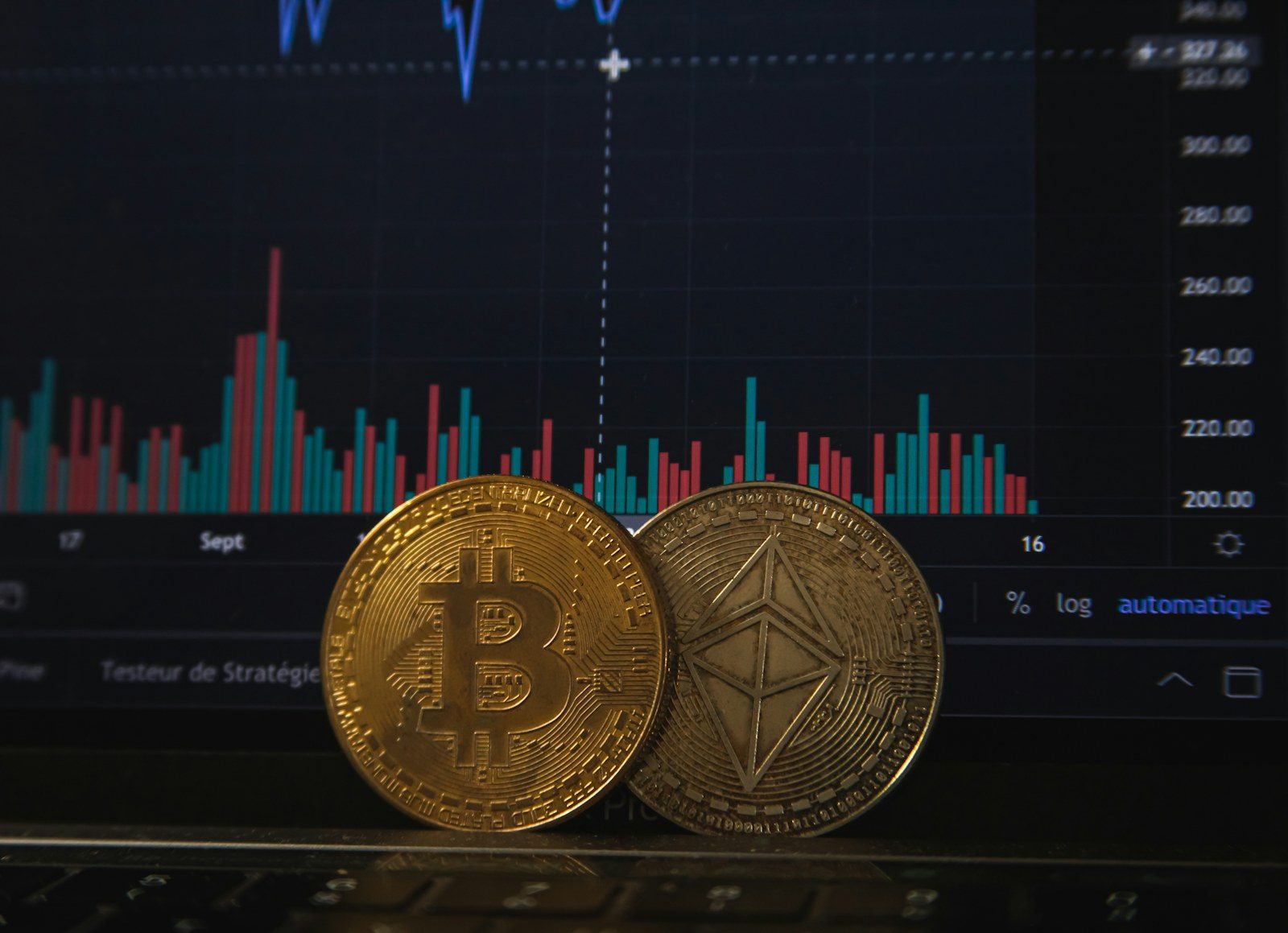
Crypto order-book depth before a market order: measure slippage by size
Measure cumulative depth and expected execution cost for your actual order size instead of relying on the top quote.
Read More →
Measure cumulative depth and expected execution cost for your actual order size instead of relying on the top quote.
Read More →
Compare crypto exchanges using the complete execution cost instead of a headline commission alone.
Read More →
Source-backed evergreen checklist for exchange API order rate limit check with exchange route, fee, tick-size, margin, liquidity and signal-context risk control.
Read More →
Source-backed evergreen checklist for stablecoin margin haircut check with exchange route, fee, tick-size, margin, liquidity and signal-context risk control.
Read More →
Source-backed evergreen checklist for futures delivery versus perpetual contract comparison with exchange route, fee, tick-size, margin, liquidity and signal-context risk control.
Read More →
Source-backed evergreen checklist for perpetual insurance fund ADL risk check with exchange route, fee, tick-size, margin, liquidity and signal-context risk control.
Read More →
Source-backed evergreen checklist for exchange fee tier volume threshold check with exchange route, fee, tick-size, margin, liquidity and signal-context risk control.
Read More →
A pending venue queue and an on-chain confirmation delay are separate operational states.
Read More →
A batch can partially fail when quantity, price tick and minimum notional are not validated per symbol.
Read More →
A stop instruction is not fully specified until its trigger source and liquidation context are recorded.
Read More →
After a network route is closed, old deposit instructions must be removed from automation and reconciled against the supported routes.
Read More →
A token withdrawal is executable only when asset, network, address format and venue support match exactly.
Read More →Quick answers about guide scope, publishing cadence, and topic navigation.