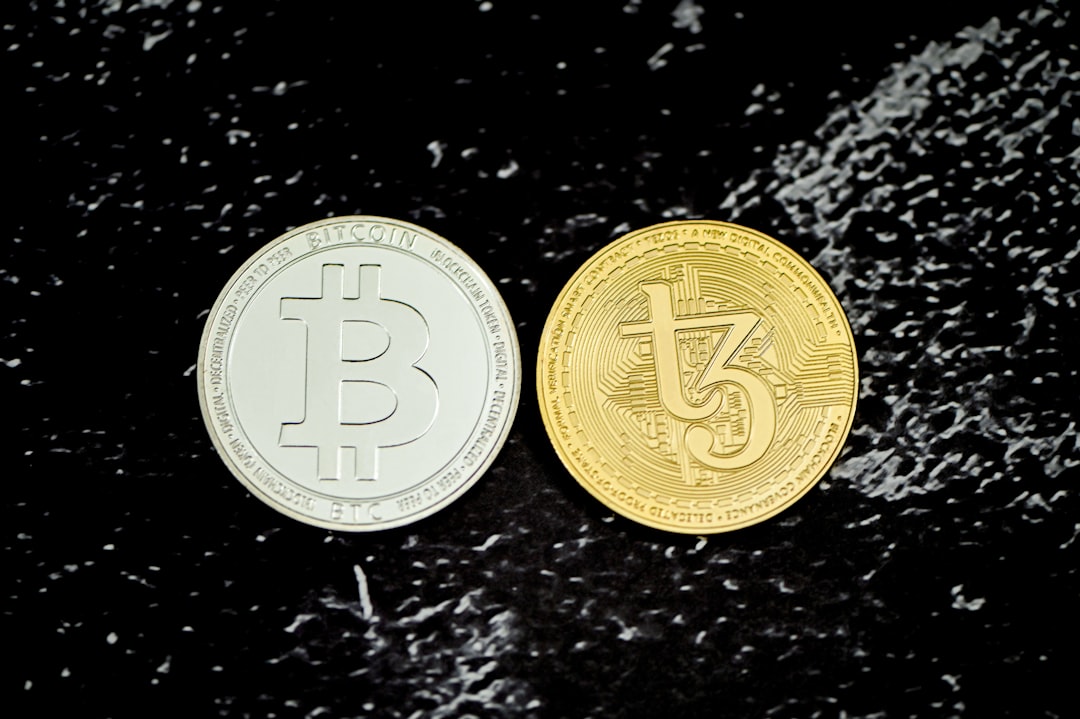
algorand signals today after the google quantum security breakout reflects high-intent demand from traders who want fast but structured execution. The goal of this guide is to turn that search into a repeatable risk-first workflow.
Crypto volatility rewards preparation more than prediction. Signals only become useful when they are filtered through regime context, entry discipline, and strict downside control.
Last updated: 2026-04-09
Why This Long-Tail Query Matters
Long-tail signal queries usually come from users who are close to execution. Clear intent plus practical structure improves both SEO relevance and the odds that readers stay engaged long enough to apply the process.
Quick Answer
Breakout signals are strongest when price expansion is backed by category strength, real volume, and a clean invalidation level. The market rewards disciplined continuation more than impulsive chasing.
Why This Is Trending on April 9, 2026
CoinMarketCap’s April 4 story on Algorand tied a sharp breakout to Google Quantum AI research naming the chain as a live post-quantum deployment example.
That gives the move a stronger narrative anchor than a random altcoin spike, but it still needs proper breakout discipline to avoid becoming a chase.
Breakout Checklist
- Confirm that volume expansion is real and not just a one-candle spike.
- Check whether the token’s category or narrative lane is also strengthening.
- Use breakout levels that still offer a logical invalidation nearby.
- Avoid chasing when the move already extended too far from support.
Decision Matrix
| Checkpoint | Why It Matters |
|---|---|
| Volume quality | Real breakouts need participation, not just thin-book jumps. |
| Narrative support | Category strength improves the odds of follow-through. |
| Pullback structure | A reclaim or retest is usually safer than a vertical chase. |
| Extension risk | Late entries lose edge when distance from support grows. |
Execution Plan
A breakout is not an excuse to abandon risk rules. The edge comes from deciding whether the move can keep expanding after the headline burst or whether the first candle already spent the opportunity.
Momentum Review Routine
- Mark the level that actually changes structure before entering.
- Check whether the token’s category is also attracting capital.
- Prefer a reclaim, consolidation, or shallow pullback over a pure chase entry.
- Scale only if the breakout holds and volume remains healthy.
- Review whether your entry came from confirmation or from FOMO after the move was obvious.
Execution, Management, and Exit Loop
Once the signal is live, the real work becomes management quality. Traders usually lose consistency when they improvise after entry: moving stops, scaling randomly, or ignoring how fee drag and momentum decay change the shape of the trade. A better approach is to pre-define partial profit rules, know what invalidates continuation, and grade the trade after the exit as strictly as you graded the setup before entry. That loop is what turns signals into a repeatable process instead of a stream of disconnected guesses.
Signal Journal Template
A useful journal should record setup cluster, timeframe, trigger context, realized slippage, fee or funding drag, and any deviation from plan. Over a meaningful sample, that record shows whether weak performance comes from bad signals, bad execution, or inconsistent discipline.
Keyword Coverage and Related Terms
This article also touches the adjacent search intents traders often compare before entering positions.
- algorand signals today
- google quantum algorand
- algo breakout setup
- post quantum crypto narrative
- altcoin breakout execution
Risk Management Rules
- Do not increase size because a token is trending on social feeds.
- Keep invalidation near the breakout structure.
- Take smaller size when liquidity is shallow or spreads widen.
- Respect BTC direction if the token is still largely beta-driven.
Common Failures
- Buying a trend label instead of a real breakout structure.
- Ignoring distance from support.
- Confusing one exchange spike with broad participation.
- Holding a failed breakout without a stop plan.
Related Reading
Continue this cluster: keep building context with adjacent deep-dive guides.
- Explore the Markets hub
- Bitcoin Signals Today with ETF-Flow Bounce and $70K Liquidity Tests - Updated 2026 Guide
- Solana Signals Today after Drift Exploit Fallout and Venue-Risk Repricing - Updated 2026 Guide
FAQ
How do I validate Algorand signals today before execution?
Start with regime fit, expectancy, and liquidity conditions. If the setup only looks good when you ignore slippage, fees, or funding, it is not as strong as it seems.
What risk rules matter most for this keyword?
Fixed per-trade risk, clear invalidation, and a hard daily loss cap are the minimum controls. Traders who skip those rules usually turn decent signals into poor outcomes.
Can I use this process for both intraday and swing trades?
Yes. The core logic stays the same. Only the timeframe, holding window, and stop placement should change with market conditions.
Conclusion
Use crypto signals as structured inputs, not as guarantees. Stable performance comes from disciplined selection, consistent execution, and evidence-based review after every session.