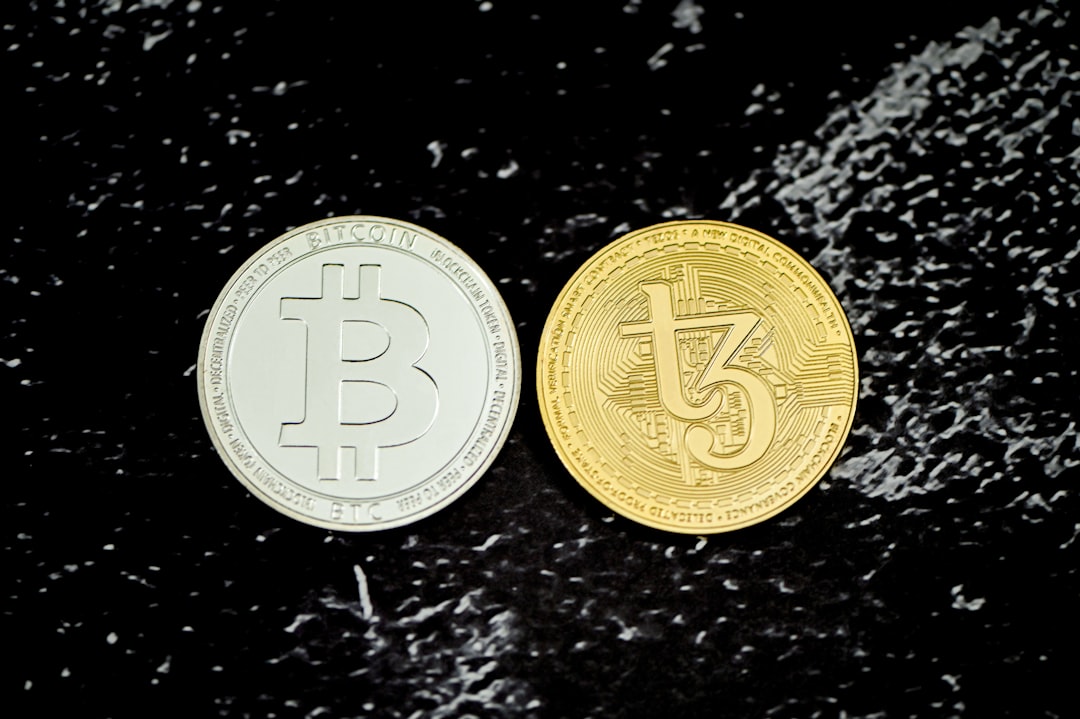
btc signals today with etf flow alignment and liquidity sweep timing reflects high-intent demand from traders who want fast but structured execution. The goal of this guide is to turn that search into a repeatable risk-first workflow.
Crypto volatility rewards preparation more than prediction. Signals only become useful when they are filtered through regime context, entry discipline, and strict downside control.
Last updated: 2026-04-05
Why This Long-Tail Query Matters
Long-tail signal queries usually come from users who are close to execution. Clear intent plus practical structure improves both SEO relevance and the odds that readers stay engaged long enough to apply the process.
Quick Answer
BTC setups become cleaner when intraday liquidity sweeps line up with the wider ETF-flow tone instead of fighting it. When macro flow and local structure disagree, patience usually beats forcing the trade.
BTC Checklist
- Mark obvious liquidity pools above and below price before the active session starts.
- Compare the current setup with the latest ETF-flow tone rather than trading headlines blindly.
- Wait for sweep acceptance or rejection before confirming the trigger.
- Reduce leverage when macro flow and intraday structure are pointing opposite ways.
Decision Matrix
| Checkpoint | Why It Matters |
|---|---|
| Liquidity map | BTC often hunts obvious resting liquidity before resolving. |
| ETF tone | Macro flow can strengthen or weaken the durability of the move. |
| Session timing | The same sweep behaves differently across Asia, London, and New York. |
| Leverage control | Macro disagreement makes even good-looking setups less stable. |
Execution Plan
BTC rewards traders who combine structure with context. Liquidity timing gives the local entry, while ETF tone helps decide whether continuation still has enough fuel.
BTC Session Review Routine
- Build the sweep map before the session and note where invalidation would be cleanest.
- Classify ETF-flow context as supportive, mixed, or headwind before scanning triggers.
- Only take the setup after the sweep shows real acceptance or rejection behavior.
- Trim size when the move depends on perfect continuation through one crowded level.
- Review whether flow context improved the trade or only justified a late entry.
Execution, Management, and Exit Loop
Once the signal is live, the real work becomes management quality. Traders usually lose consistency when they improvise after entry: moving stops, scaling randomly, or ignoring how fee drag and momentum decay change the shape of the trade. A better approach is to pre-define partial profit rules, know what invalidates continuation, and grade the trade after the exit as strictly as you graded the setup before entry. That loop is what turns signals into a repeatable process instead of a stream of disconnected guesses.
Signal Journal Template
A useful journal should record setup cluster, timeframe, trigger context, realized slippage, fee or funding drag, and any deviation from plan. Over a meaningful sample, that record shows whether weak performance comes from bad signals, bad execution, or inconsistent discipline.
Keyword Coverage and Related Terms
This article also touches the adjacent search intents traders often compare before entering positions.
- btc signals today
- bitcoin signals today
- etf flow
- liquidity sweep
- btc session timing
Risk Management Rules
- Keep leverage lower around macro headline windows.
- Do not move invalidation after the sweep fails.
- Reduce activity after two failed reads in the same session.
- Treat ETF headlines as context filters, not auto-triggers.
Common Failures
- Entering before the sweep is actually resolved.
- Trading every ETF headline as a fresh signal.
- Using macro context to rationalize a weak local setup.
- Oversizing between major liquidity pools.
Related Reading
Continue this cluster: keep building context with adjacent deep-dive guides.
- Explore the Markets hub
- Ethereum Signals Today with Reclaim Structure and Participation Quality - Updated 2026 Guide
- Solana Signals Today with Perp Liquidity and Ecosystem Rotation - Updated 2026 Guide
FAQ
How do I validate BTC signals today before execution?
Start with regime fit, expectancy, and liquidity conditions. If the setup only looks good when you ignore slippage, fees, or funding, it is not as strong as it seems.
What risk rules matter most for this keyword?
Fixed per-trade risk, clear invalidation, and a hard daily loss cap are the minimum controls. Traders who skip those rules usually turn decent signals into poor outcomes.
Can I use this process for both intraday and swing trades?
Yes. The core logic stays the same. Only the timeframe, holding window, and stop placement should change with market conditions.
Conclusion
Use crypto signals as structured inputs, not as guarantees. Stable performance comes from disciplined selection, consistent execution, and evidence-based review after every session.