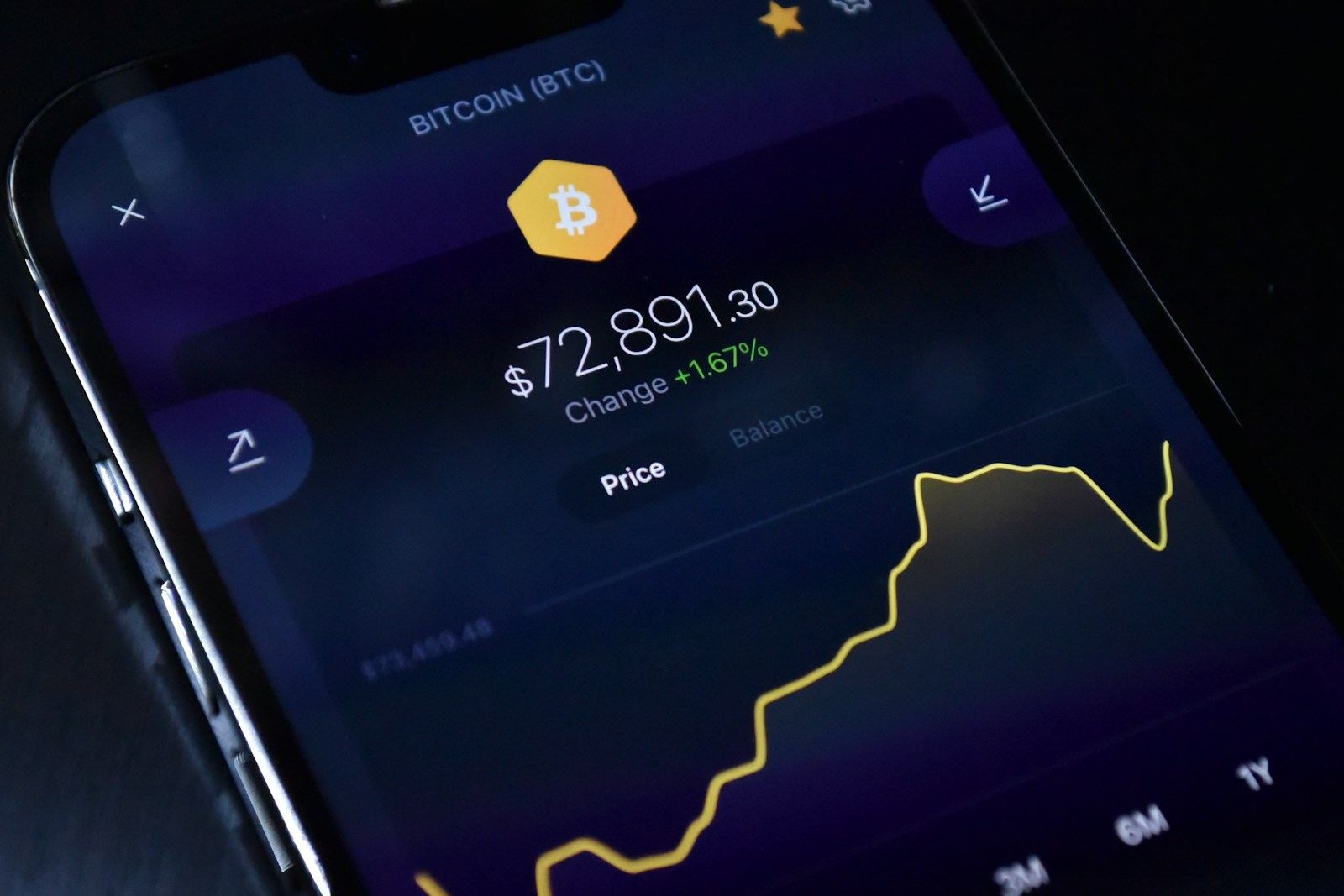
bybit crypto signals with fill discipline and risk mode setup reflects high-intent demand from traders who want fast but structured execution. The goal of this guide is to turn that search into a repeatable risk-first workflow.
Crypto volatility rewards preparation more than prediction. Signals only become useful when they are filtered through regime context, entry discipline, and strict downside control.
Last updated: 2026-04-05
Why This Long-Tail Query Matters
Long-tail signal queries usually come from users who are close to execution. Clear intent plus practical structure improves both SEO relevance and the odds that readers stay engaged long enough to apply the process.
Quick Answer
On Bybit, a signal is only as good as the fill discipline and risk-mode setup behind it. If the margin mode, order type, and invalidation logic are not aligned before the click, the platform can amplify sloppy execution.
Exchange Checklist
- Confirm isolated or cross mode intentionally instead of using the previous trade by accident.
- Choose between passive and aggressive order flow based on the actual trigger logic.
- Set take-profit and stop structure before the position is live.
- Reduce size when the book is thin enough that one sweep can distort fills.
Decision Matrix
| Checkpoint | Why It Matters |
|---|---|
| Risk mode | Margin configuration changes how much one mistake can cost. |
| Order type | Passive and aggressive entries have very different slippage profiles. |
| Exit structure | A valid signal still needs clean stop and profit logic. |
| Fill quality | Execution friction can quietly destroy a marginal edge. |
Execution Plan
Exchange setup should be part of the signal review, not an afterthought. Bybit offers enough flexibility that careless configuration can easily turn disciplined analysis into inconsistent results.
Bybit Review Routine
- Check risk mode, leverage, and order defaults before the session starts.
- Decide whether the setup needs a patient limit or a more aggressive confirmation entry.
- Pre-load exit logic so the position cannot drift into discretionary management.
- Cut size when fill quality is deteriorating on lower-liquidity contracts.
- Use the journal to separate bad signals from bad platform execution choices.
Execution, Management, and Exit Loop
Once the signal is live, the real work becomes management quality. Traders usually lose consistency when they improvise after entry: moving stops, scaling randomly, or ignoring how fee drag and momentum decay change the shape of the trade. A better approach is to pre-define partial profit rules, know what invalidates continuation, and grade the trade after the exit as strictly as you graded the setup before entry. That loop is what turns signals into a repeatable process instead of a stream of disconnected guesses.
Signal Journal Template
A useful journal should record setup cluster, timeframe, trigger context, realized slippage, fee or funding drag, and any deviation from plan. Over a meaningful sample, that record shows whether weak performance comes from bad signals, bad execution, or inconsistent discipline.
Keyword Coverage and Related Terms
This article also touches the adjacent search intents traders often compare before entering positions.
- bybit crypto signals
- risk mode setup
- fill discipline
- exchange execution
- trade management
Risk Management Rules
- Avoid switching between cross and isolated margin casually.
- Respect fill quality when deciding whether the trade is worth taking.
- Reduce size when book depth does not support the signal cleanly.
- Treat exchange configuration mistakes as process failures in review.
Common Failures
- Using the wrong margin mode by habit.
- Picking market order entries when the setup did not require it.
- Managing exits manually with no prior plan.
- Ignoring the execution difference between large-cap and thinner contracts.
Related Reading
Continue this cluster: keep building context with adjacent deep-dive guides.
- Explore the Exchanges hub
- Binance Futures Signals with Order-Book Depth and Basis Checks - Updated 2026 Guide
- How to Verify Cross-Exchange Spread Crypto Signals with Expectancy and Drawdown Filters
FAQ
How do I validate Bybit crypto signals before execution?
Start with regime fit, expectancy, and liquidity conditions. If the setup only looks good when you ignore slippage, fees, or funding, it is not as strong as it seems.
What risk rules matter most for this keyword?
Fixed per-trade risk, clear invalidation, and a hard daily loss cap are the minimum controls. Traders who skip those rules usually turn decent signals into poor outcomes.
Can I use this process for both intraday and swing trades?
Yes. The core logic stays the same. Only the timeframe, holding window, and stop placement should change with market conditions.
Conclusion
Use crypto signals as structured inputs, not as guarantees. Stable performance comes from disciplined selection, consistent execution, and evidence-based review after every session.