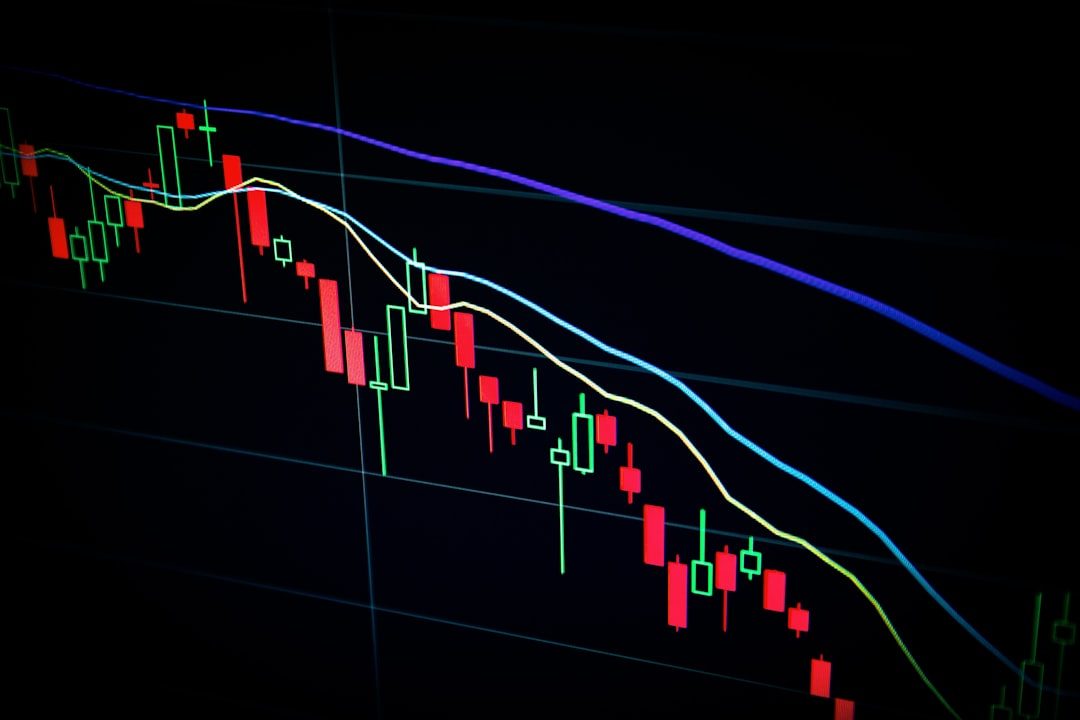
Explore Hub: Risk Management and Execution
Cross-exchange stablecoin premium arbitrage checklist before large stablecoin trades turns a visible USDT/USDC premium into a net-carry decision. The practical workflow is to calculate whether a stablecoin premium survives withdrawal fees, network costs, rebalancing time and exchange risk before committing capital.
CryptoSigy covers this as execution quality. A stablecoin trading at a 0.5% premium on one exchange is not a 0.5% profit. It is a gross spread that must cover all exit costs before it becomes a real arbitrage.
Calculate The Net Premium After All Exit Costs
Start with the premium percentage between the two exchanges. Subtract the taker fee for the buy side, the taker fee for the sell side, the withdrawal fee for the stablecoin and the network fee. If the route requires an intermediate conversion, include that spread as well.
A 0.5% gross premium that costs 0.2% in fees, 0.1% in withdrawal and 0.05% in slippage leaves a 0.15% net return. That may still be positive, but the question is whether the capital and time could earn more elsewhere with less operational risk.
Account For Withdrawal And Confirmation Time
Stablecoin withdrawals can take minutes or hours depending on network congestion and exchange processing queues. During that window, the premium on the destination exchange can narrow or reverse. The arbitrageur needs to model the worst-case premium change during the expected withdrawal time.
Some exchanges batch withdrawals at fixed intervals. A withdrawal submitted just after a batch may wait thirty minutes for the next one. The arbitrage model should include the batch timing for each exchange in the pair.
Check Stablecoin Liquidity On Both Sides
A USDT/USDC premium of 0.3% on a small order may disappear at larger sizes. Check the order book depth on both exchanges for the intended trade size. If the buy side has thin liquidity above the top of book, the real entry price is worse than the screen price.
Also check whether the exchange has daily withdrawal limits, minimum withdrawal amounts or stablecoin-specific restrictions. A premium that is profitable at one size may be impossible at the size needed to cover the fixed costs.
Monitor Depeg And Reserve Risk
A stablecoin premium can exist because of genuine demand or because of reserve concerns about one of the stablecoins. If the premium is driven by reserve risk, the arbitrage carries a different risk profile than a liquidity-driven premium.
Check recent reserve attestations, redemption history and any regulatory or custody news for both stablecoins before treating a premium as a pure arbitrage. A premium that exists because one stablecoin is perceived as riskier may persist or widen, turning the arbitrage into a directional bet.
- Calculate net premium after taker fees, withdrawal costs, network fees and slippage.
- Model worst-case premium change during the maximum expected withdrawal and confirmation time.
- Check order-book depth and exchange withdrawal limits for the intended trade size.
- Distinguish liquidity-driven premiums from reserve-risk-driven premiums before entering.
Continue this cluster
Continue this cluster with exchange execution guides that reduce hidden costs, improve route quality and protect signal edges before trades go live.