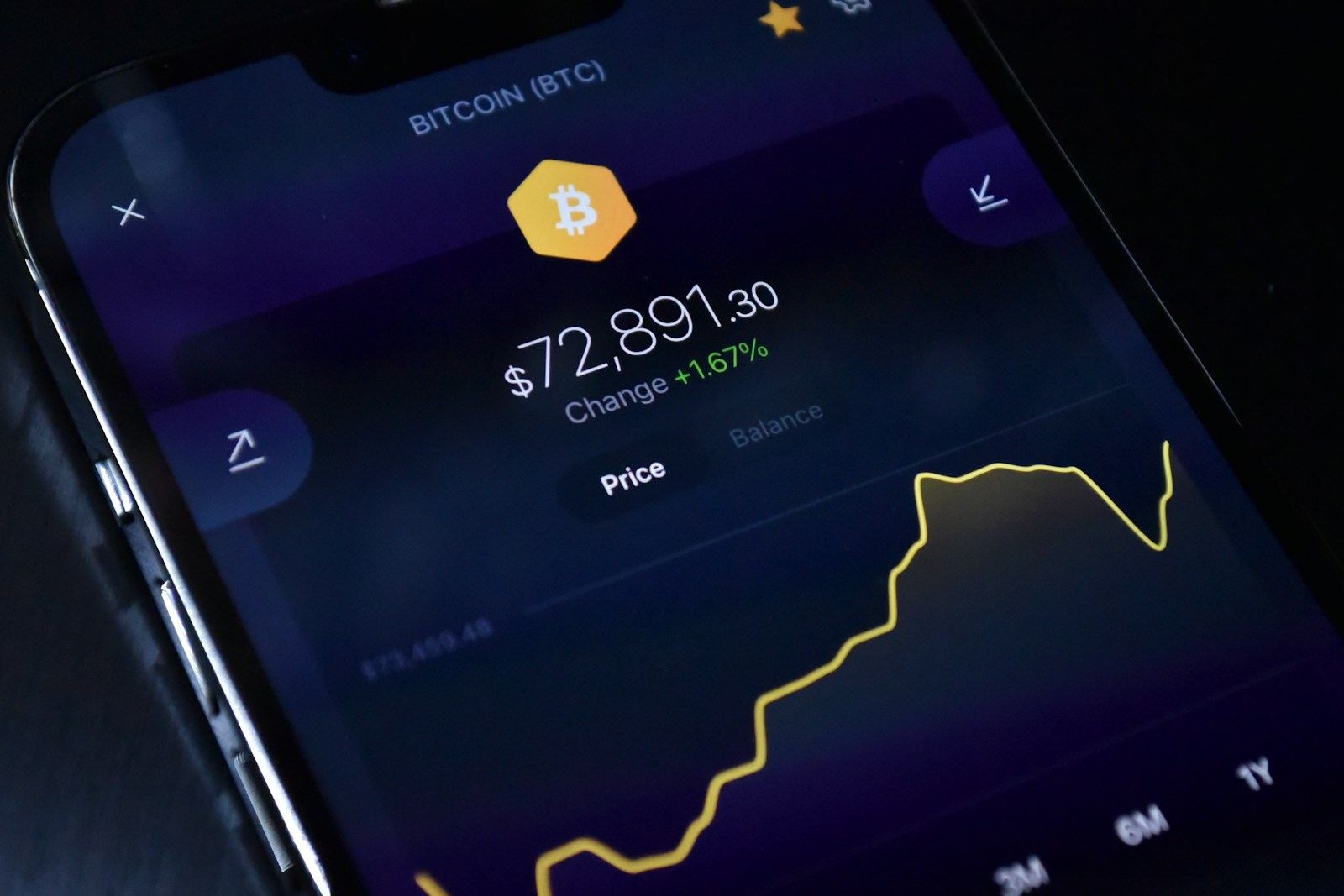
exchange listing liquidity window is a durable search problem because it shows up whenever a bettor, trader, or researcher has to turn raw information into a cleaner decision. This guide keeps the focus narrow: define the signal, compare the right alternatives, and decide when the setup is strong enough to act on without adding noise.
Quick Answer
A new listing becomes tradable after spreads stabilize, depth improves and the first volatility burst stops controlling every candle.
Why This Intent Matters
Listing announcements can create real opportunity, but first-minute trading often mixes thin books, bots and emotional market orders.
The mistake is usually treating a headline as the whole answer. A strong process asks what changed, which market or protocol surface is affected, and whether the evidence is broad enough to support the next decision. That keeps the article useful long after a specific match, candle, or campaign has passed.
Decision Framework
- Wait for visible depth on both sides of the book.
- Check whether multiple venues support the asset.
- Compare spot volume with perp availability if derivatives launch later.
- Use smaller size until slippage is predictable.
The listing is the catalyst. Tradability begins only when execution quality is good enough to express the idea.
Signals That Deserve More Weight
More weight belongs to listings with sustained volume after the first hour, tighter spreads and no repeated halt or maintenance notices.
Controls That Prevent Overreach
Avoid market orders during the opening burst. Use limits, predefined slippage and smaller partial entries.
Good controls make the final answer smaller, not slower. They remove the assumptions that are easiest to miss: weak liquidity, rule friction, stale team news, crowded positioning, shallow integrations, or a data point that looks important only because it is recent.
Practical Workflow
Track the first hour, mark support and resistance, then enter only after a clean retest or accepted range forms.
When To Skip
Skip when the pair is only active on one venue or when spread cost is larger than the expected edge.
Review Loop
Review fill quality, not only direction. A correct listing read can still be a bad trade if execution was poor.
Record the starting assumption, the evidence used, and the result you expected before outcome bias gets a vote. Over several decisions, the review will show whether the framework is producing repeatable value or only explaining outcomes after the fact.
Trading Application
Use this guide by separating alert, setup and execution. An alert says something moved. A setup says why the move has structure, liquidity and invalidation. Execution says where the trade can be entered without losing the edge to spread, slippage or late momentum. Treating those as separate steps keeps a strong signal from becoming an emotional chase.
Evidence Weighting
Give the most weight to spot-led volume, stable order-book depth, clean market structure and risk that can be sized before entry. Give medium weight to funding, unlock calendars, listing notes or macro flows when they support the chart. Give low weight to isolated candles, one-exchange prints and narratives that cannot be converted into a specific invalidation level.
Final Checklist
- Where does the setup fail?
- Can the intended size enter and exit cleanly?
- Does liquidity support the direction?
- Is the trade still valid if the first candle is missed?
This keeps Exchange Listing Liquidity Window: When New Crypto Pairs Are Tradable useful as a repeatable signal-quality process rather than a one-off market comment.
How To Use It In A Live Market
Turn the guide into a pre-trade note before the alert fires. Write the expected trigger, the invalidation level, the liquidity condition and the maximum slippage you will accept. That keeps the trade from being rewritten after the candle moves. In crypto, the danger is rarely lack of information; it is too many signals arriving at once and pushing the trader into an entry that no longer matches the original risk.
Refresh the guide only when execution conditions change: new venue support, different fee structure, materially deeper liquidity, a new unlock schedule model or a market structure shift that changes how the signal should be confirmed. Otherwise, keep the method stable and compare outcomes across trades.
Continue this cluster
Stay inside the exchange listing execution cluster: