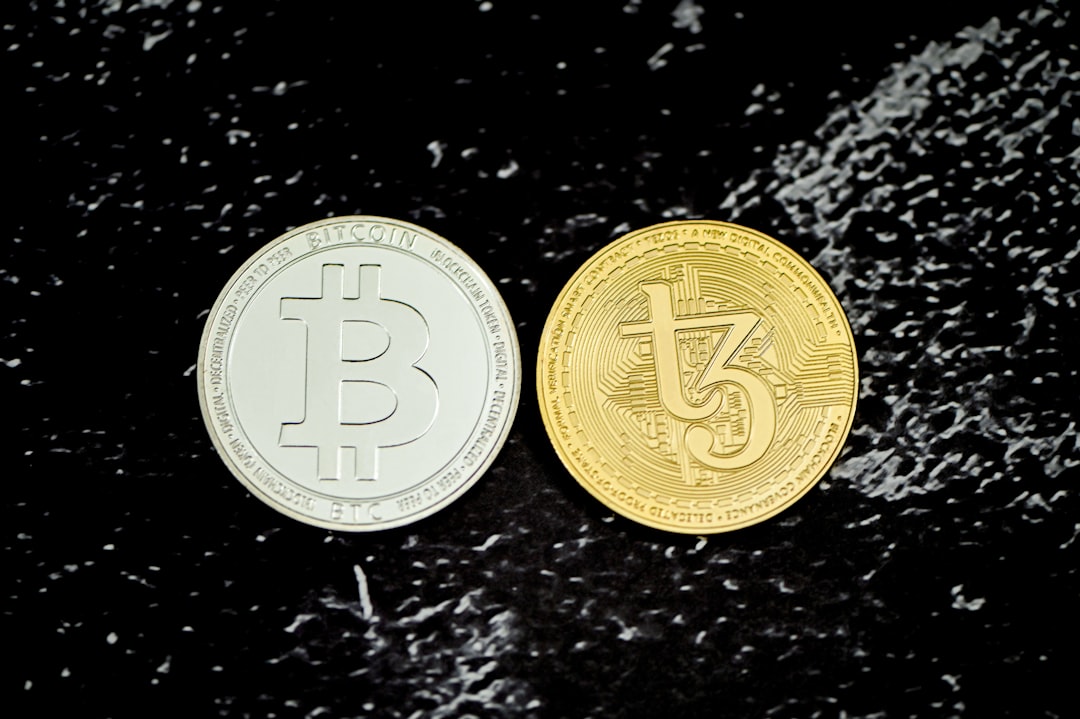
xrp ledger ecosystem signals today with category strength and relative value filters reflects high-intent demand from traders who want fast but structured execution. The goal of this guide is to turn that search into a repeatable risk-first workflow.
Crypto volatility rewards preparation more than prediction. Signals only become useful when they are filtered through regime context, entry discipline, and strict downside control.
Last updated: 2026-04-08
Why This Long-Tail Query Matters
Long-tail signal queries usually come from users who are close to execution. Clear intent plus practical structure improves both SEO relevance and the odds that readers stay engaged long enough to apply the process.
Quick Answer
XRPL ecosystem signals are stronger when the category keeps relative strength while individual names still offer rational entry structure. Category leadership is useful only when the chosen token is not already overstretched against the rest of the lane.
Why XRPL Ecosystem Strength Matters
CoinGecko's homepage currently highlights XRP Ledger Ecosystem as one of the leading gaining clusters. That keeps the ecosystem on watch, but token selection and relative-value discipline still decide whether the setup is actually tradeable.
- Barron's reports that Bitcoin, Ether, XRP, Solana, and Dogecoin are higher on April 8 after a 14-day U.S.-Iran cease-fire agreement improved risk appetite.
- CoinGecko's homepage shows total crypto market cap near $2.52T, with Bitcoin dominance around 56.8%, and highlights Polkadot Ecosystem plus XRP Ledger Ecosystem as the leading gainers.
- CoinGecko's trending categories page currently ranks DeFAI, Bridge Governance Tokens, and Intent among the hottest sector pages.
Altcoin Checklist
- Confirm that the sector has more than one strong chart, not just one isolated spike.
- Check liquidity, spread, and size capacity before trusting the alert.
- Prefer altcoins that move with visible relative strength instead of random wicks.
- Avoid low-float setups that require perfect timing just to survive normal pullbacks.
Decision Matrix
| Checkpoint | Why It Matters |
|---|---|
| Sector breadth | Sustained rotation usually shows up across several names. |
| Execution depth | Thin liquidity increases slippage and stop-out noise. |
| Relative strength | You want the coin leading, not merely following beta. |
| Volatility control | Some altcoin moves look strong but are impossible to size safely. |
Execution Plan
Altcoin trading is a selection problem before it becomes an entry problem. Start with the lane that is rotating capital well, then decide whether the individual chart is liquid enough to matter.
Rotation Review Routine
- Group candidates by sector so you can see whether the rotation is broad or isolated.
- Choose only names with sufficient liquidity to respect your risk model.
- Wait for reclaim, pullback, or consolidation triggers instead of chasing vertical candles.
- Scale risk down when BTC or ETH look unstable enough to disrupt the whole altcoin complex.
- Journal sector context so you can separate coin selection skill from beta luck.
Execution, Management, and Exit Loop
Once the signal is live, the real work becomes management quality. Traders usually lose consistency when they improvise after entry: moving stops, scaling randomly, or ignoring how fee drag and momentum decay change the shape of the trade. A better approach is to pre-define partial profit rules, know what invalidates continuation, and grade the trade after the exit as strictly as you graded the setup before entry. That loop is what turns signals into a repeatable process instead of a stream of disconnected guesses.
Signal Journal Template
A useful journal should record setup cluster, timeframe, trigger context, realized slippage, fee or funding drag, and any deviation from plan. Over a meaningful sample, that record shows whether weak performance comes from bad signals, bad execution, or inconsistent discipline.
Keyword Coverage and Related Terms
This article also touches the adjacent search intents traders often compare before entering positions.
- xrp ledger ecosystem signals today
- category strength
- relative value filters
- xrpl tokens
- ecosystem rotation
Risk Management Rules
- Cut position size further on mid-cap and low-liquidity names.
- Use hard invalidation rather than mental stops.
- Avoid stacking too many altcoin positions from the same sector.
- Respect news-event risk even when technical structure looks clean.
Common Failures
- Chasing one candle because the whole sector is trending.
- Ignoring liquidity until slippage becomes a problem.
- Assuming every AI, meme, or DeFi token rotates the same way.
- Holding through BTC instability with unchanged risk.
Related Reading
Continue this cluster: keep building context with adjacent deep-dive guides.
- Explore the Markets hub
- Dogecoin Signals Today with Meme Beta and Risk-On Spillover - Updated 2026 Guide
- Intent Token Signals Today with Sector Breadth and Breakout Discipline - Updated 2026 Guide
FAQ
How do I validate XRP Ledger ecosystem signals today before execution?
Start with regime fit, expectancy, and liquidity conditions. If the setup only looks good when you ignore slippage, fees, or funding, it is not as strong as it seems.
What risk rules matter most for this keyword?
Fixed per-trade risk, clear invalidation, and a hard daily loss cap are the minimum controls. Traders who skip those rules usually turn decent signals into poor outcomes.
Can I use this process for both intraday and swing trades?
Yes. The core logic stays the same. Only the timeframe, holding window, and stop placement should change with market conditions.
Conclusion
Use crypto signals as structured inputs, not as guarantees. Stable performance comes from disciplined selection, consistent execution, and evidence-based review after every session.