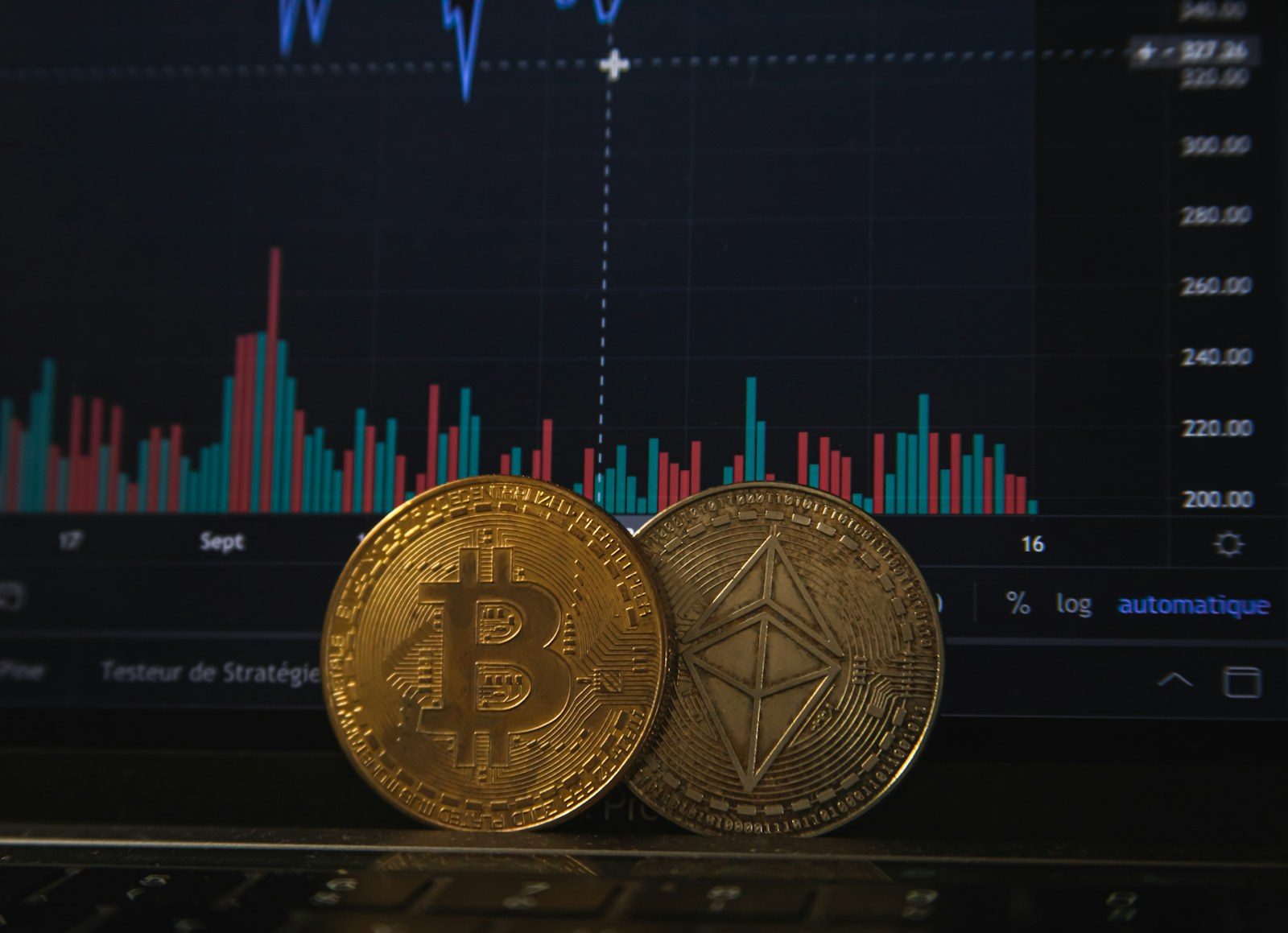
Perpetual Funding Direction and Holding-Cost Checklist
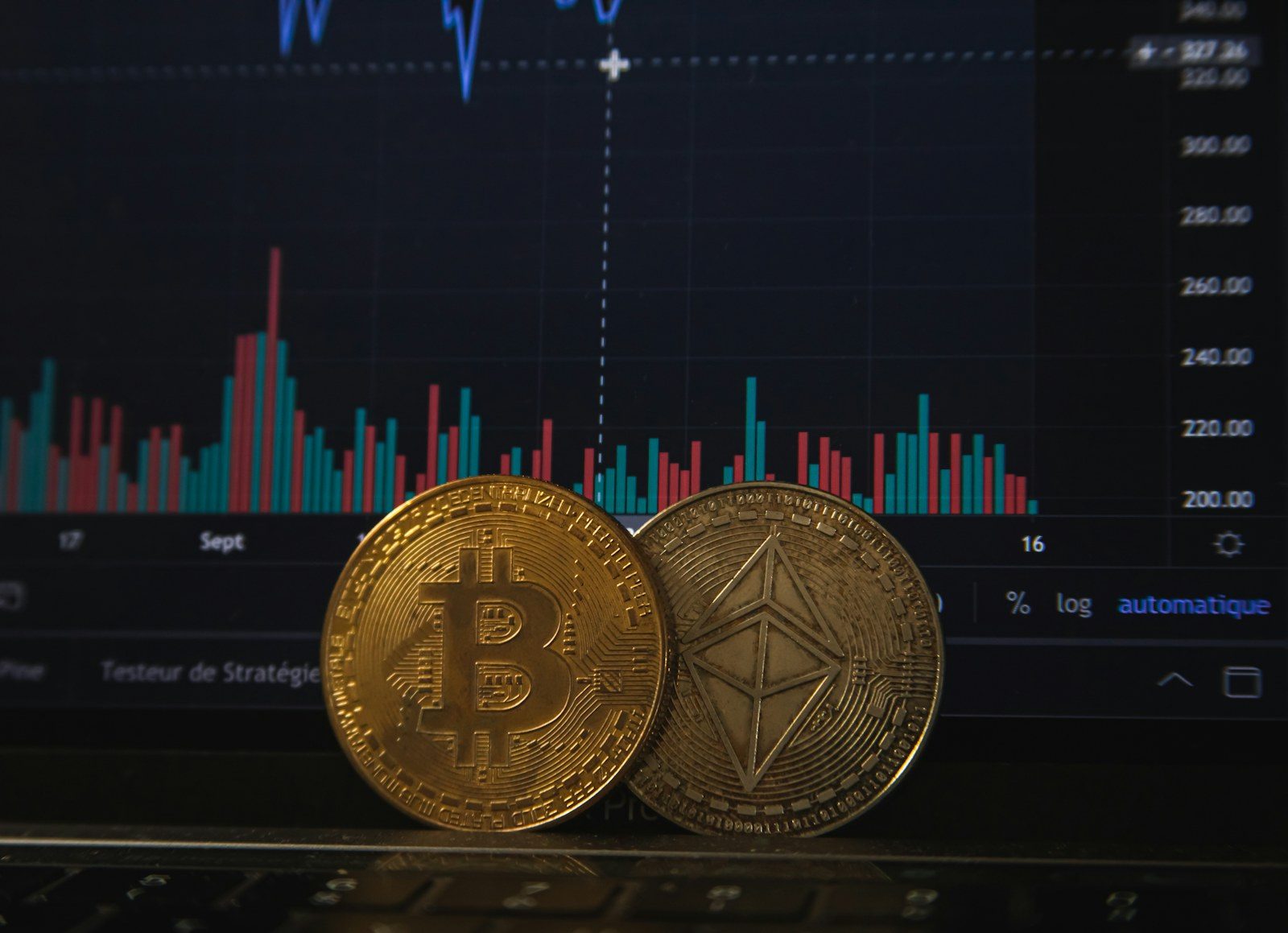
Funding direction and payment timing can change the cost of holding a leveraged position.
Read More →Archive page 14 of 109 for crypto signals workflows, trading execution guides, and risk-first playbooks.
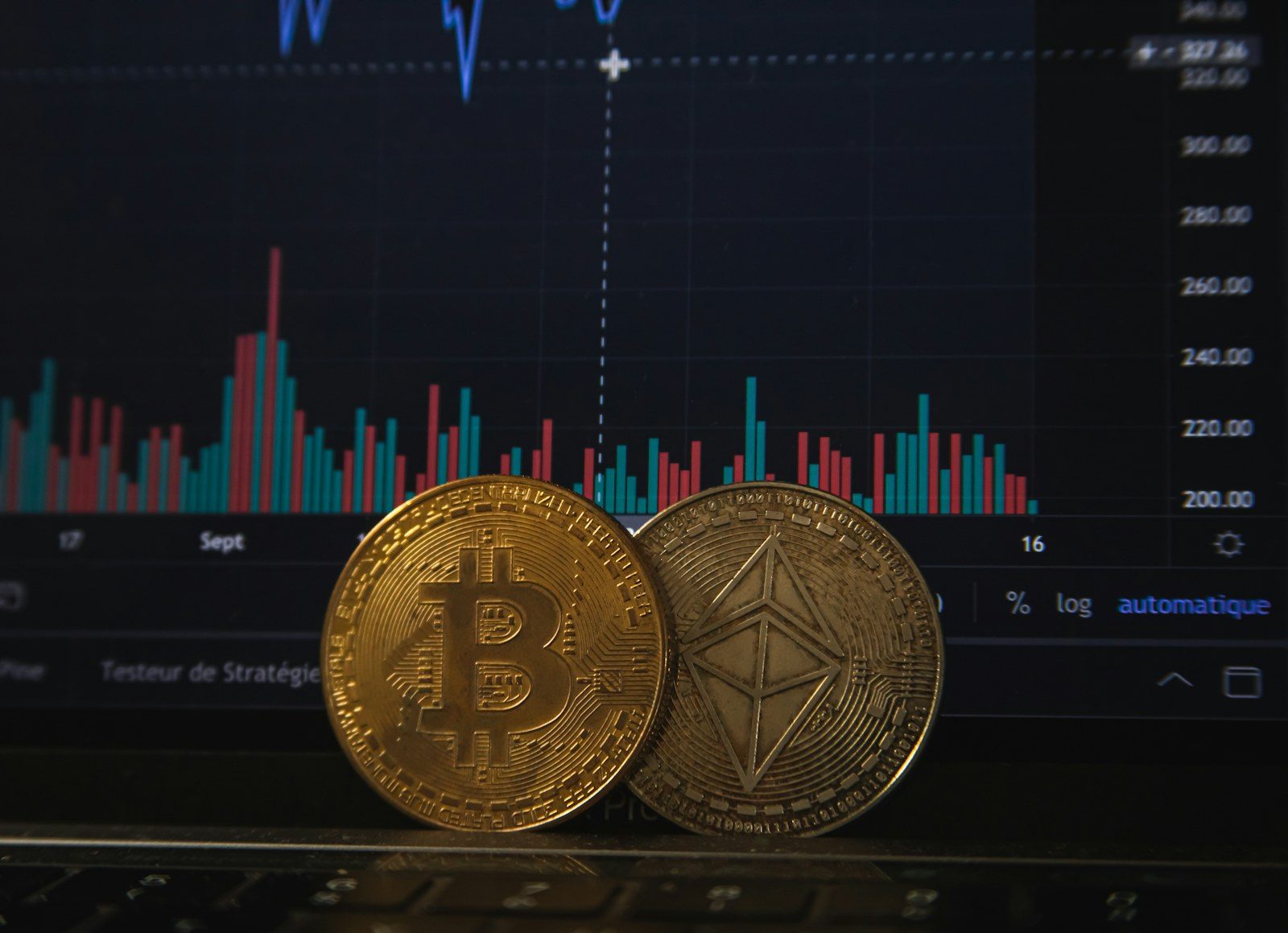
Funding direction and payment timing can change the cost of holding a leveraged position.
Read More →
A withdrawal route must be compared by total cost, confirmation behavior and destination compatibility.
Read More →
The top-of-book spread can mislead when the intended order size consumes several levels.
Read More →
A macro headline and an executable crypto trade are separate evidence layers.
Read More →
Least privilege and a disabled withdrawal permission are baseline controls for automated execution.
Read More →
A notification is a control input, not proof that liquidation risk has disappeared.
Read More →
Funding becomes an execution cost when the expected holding period crosses a payment interval.
Read More →
Maintenance windows can change order, margin and withdrawal assumptions at different times.
Read More →
A stablecoin conversion can still carry spread, depth and redemption-route risk.
Read More →
Unlock size must be considered alongside recipient behavior, venue liquidity and the actual float change.
Read More →
A delisting notice creates a timeline problem across trading, deposits, withdrawals and asset custody.
Read More →
Leverage should be evaluated against liquidation distance, maintenance margin and adverse movement—not the headline multiplier.
Read More →