Crypto inheritance in Canada: what heirs and executors need to know
Crypto inheritance Canada searches often start with a practical worry: if a person dies while holding bitcoin or another crypto-asset, can their family find it and access it? There are two separate issues. The estate needs a reliable way to identify what exists, and the person responsible for the tax return may need to report a deemed disposition. A wallet address, an exchange account and a recovery phrase do not solve both jobs by themselves.
This guide outlines a cautious starting point for Canadian families. The CRA’s federal tax treatment is not a substitute for advice on a will, probate, creditor claims or provincial estate law. The person administering an estate should coordinate with the appropriate legal and tax professionals before moving or distributing assets.
What happens to crypto when someone dies?
Crypto-assets do not automatically move to a beneficiary just because a family member knows a wallet address. An executor or other legal representative first needs authority to administer the estate, and then must determine which holdings exist, where they are held and what documentation is required by each provider. An exchange account may have an account recovery process; self-custodied assets depend on the private keys or recovery method controlled by the owner.
Do not assume that an exchange will disclose account details to any relative who asks. Providers may require proof of death, executor authority, identity documents and estate paperwork. A self-custody wallet has a different problem: the network does not have a customer service desk that can reset a seed phrase. If the relevant key material is unavailable, assets may remain inaccessible even when the family knows a public address.
Understand the Canadian tax question
The Canada Revenue Agency says capital property owned by a person who dies is generally considered disposed of immediately before death at fair market value. Crypto-assets can be capital property. That deemed disposition can create a capital gain or loss for the deceased’s final return even when nobody sold or transferred the coins at that moment.
The broad calculation compares fair market value at the date of death with the asset’s adjusted cost base. The CRA’s rules include exceptions and special treatment for certain transfers to a resident spouse or common-law partner, subject to conditions. That is why a family should not treat every inheritance as an automatic sale or assume that an exception applies without checking the facts. The tax result also depends on whether the holdings were capital property or part of a business activity.
There may be a second tax event later if an estate or beneficiary disposes of the asset after death. Keep the value and cost records from the initial estate administration separate from later trades, swaps or sales. The CRA’s crypto guide treats certain crypto-to-crypto exchanges as dispositions, so changing one token for another should not be casually labelled a tax-free transfer.
Make assets discoverable without putting keys in a will
A useful estate inventory names the kinds of holdings and where an executor can find account information. It may include exchange names, wallet types, approximate asset categories, relevant devices, and the location of access instructions. Update the inventory when accounts or custody arrangements change. FP Canada’s guidance recommends that crypto-assets be included in discovery discussions and that an inventory be kept secure and current.
Do not put a seed phrase, private key, password or two-factor recovery code into an ordinary will or an unsecured document. A will can become accessible to people who do not need signing power over a wallet. Instead, arrange secure access instructions with professional advice and make sure the executor can find the instructions without disclosing secret credentials in advance. The plan should state how the person with authority can obtain access, not give a stranger unrestricted control today.
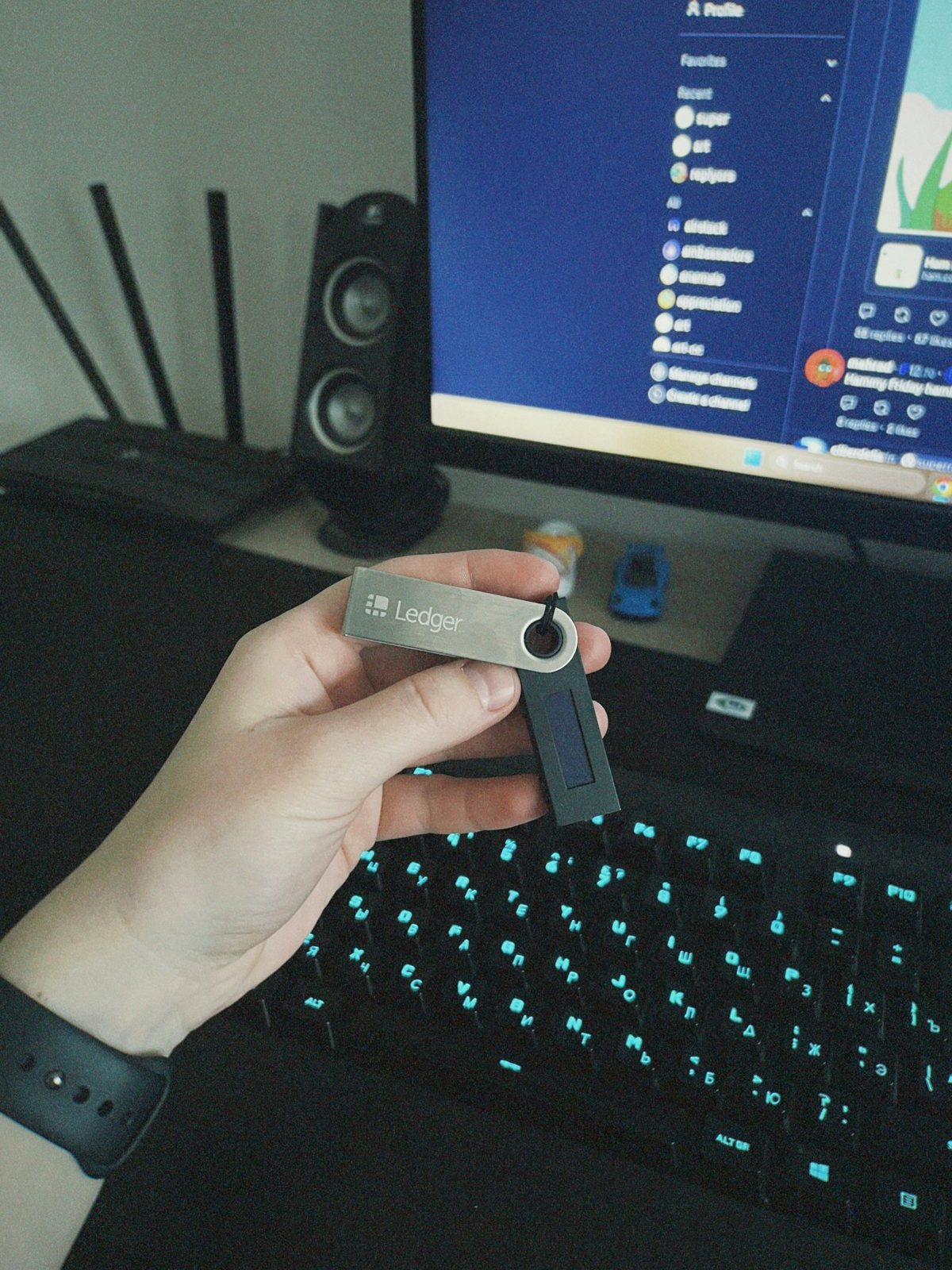
For exchange-held crypto, list the provider and the account owner’s legal name, but do not store the password in a shared note. For a hardware or software wallet, identify the device and the safe location of its backup process. Keep enough information for the executor to understand which wallet is relevant, while separating the discovery record from the keys that authorize a transfer.
Preserve records for the estate
Before any movement, create a record of the holdings and the evidence used to value them. Save transaction histories, exchange statements, wallet addresses, dates, quantities, acquisition cost information and the valuation method. If assets are held across several chains or platforms, document each one separately. A spreadsheet is useful only if the executor can locate it and understand what each entry means.
The CRA generally accepts a reasonable method for determining fair market value. Its crypto guidance says to use a method consistently and keep a record of how the value was calculated, especially where a direct price is not readily available. At death, an administrator may need to reconstruct the value at a particular date and time using market data and supporting records. Record the source, currency, timestamp and conversion method rather than writing down only a rounded Canadian-dollar total.
Keep copies of the original records before accounts are closed or devices are reset. If an estate must contact an exchange, ask what documents are required and how it handles security, account access and transfer instructions. Be alert to unsolicited “recovery” services asking for a seed phrase or an advance payment; a legitimate executor process should not require sharing the secret with an unknown third party.
A practical checklist for a Canadian crypto estate
- Identify exchange accounts, custodians and self-custody wallets.
- Keep a dated inventory in a secure, maintained location.
- Separate discovery instructions from private keys and recovery phrases.
- Tell the appointed representative how to locate the instructions, not the secret itself.
- Preserve acquisition, transaction and balance records before changing devices.
- Record a consistent Canadian-dollar valuation method and its source.
- Confirm the CRA final-return treatment and any spouse or common-law partner rollover with a tax professional.
- Check the province’s estate process and each provider’s requirements with qualified counsel.
Common errors to avoid
The first mistake is believing that a public wallet address proves the executor can control it. An address can help locate transactions, but it does not authorize them. The second is placing the only recovery phrase in a document that could be copied or exposed. The third is moving assets before saving transaction history or a defensible valuation record. The fourth is assuming the asset is always taxed as a capital gain; crypto activity can be classified differently depending on the facts.
Finally, do not rely on a single snapshot from an exchange dashboard as the estate’s full record. The person may also have older wallets, staking accounts, tokens on other networks or assets held through a custodian. A careful search and a documented process reduce the chance of both overlooked holdings and unsafe transfers.
Crypto inheritance combines custody, tax records and estate administration. Build a secure discovery plan while the owner can explain it, then have the executor confirm the tax and legal steps with qualified professionals. For more account and custody topics, visit the exchange guides hub and the Canadian English blog.
Frequently asked questions
Does crypto automatically transfer to a named beneficiary in Canada? Not necessarily. The estate process, provider requirements and custody method all matter.
Does the CRA treat crypto as sold at death? The CRA generally treats a deceased person as having disposed of capital property immediately before death at fair market value. Crypto-assets may fall within that rule, subject to exceptions and the asset’s tax classification.
Should a seed phrase go in a will? Keep secret credentials out of an ordinary will or unsecured file. Arrange secure access instructions with qualified estate-planning advice.
How should an executor value crypto? Keep a reasonable, consistent method, supporting price evidence and a clear timestamp. Ask a Canadian tax professional how to report the estate’s specific holdings.


