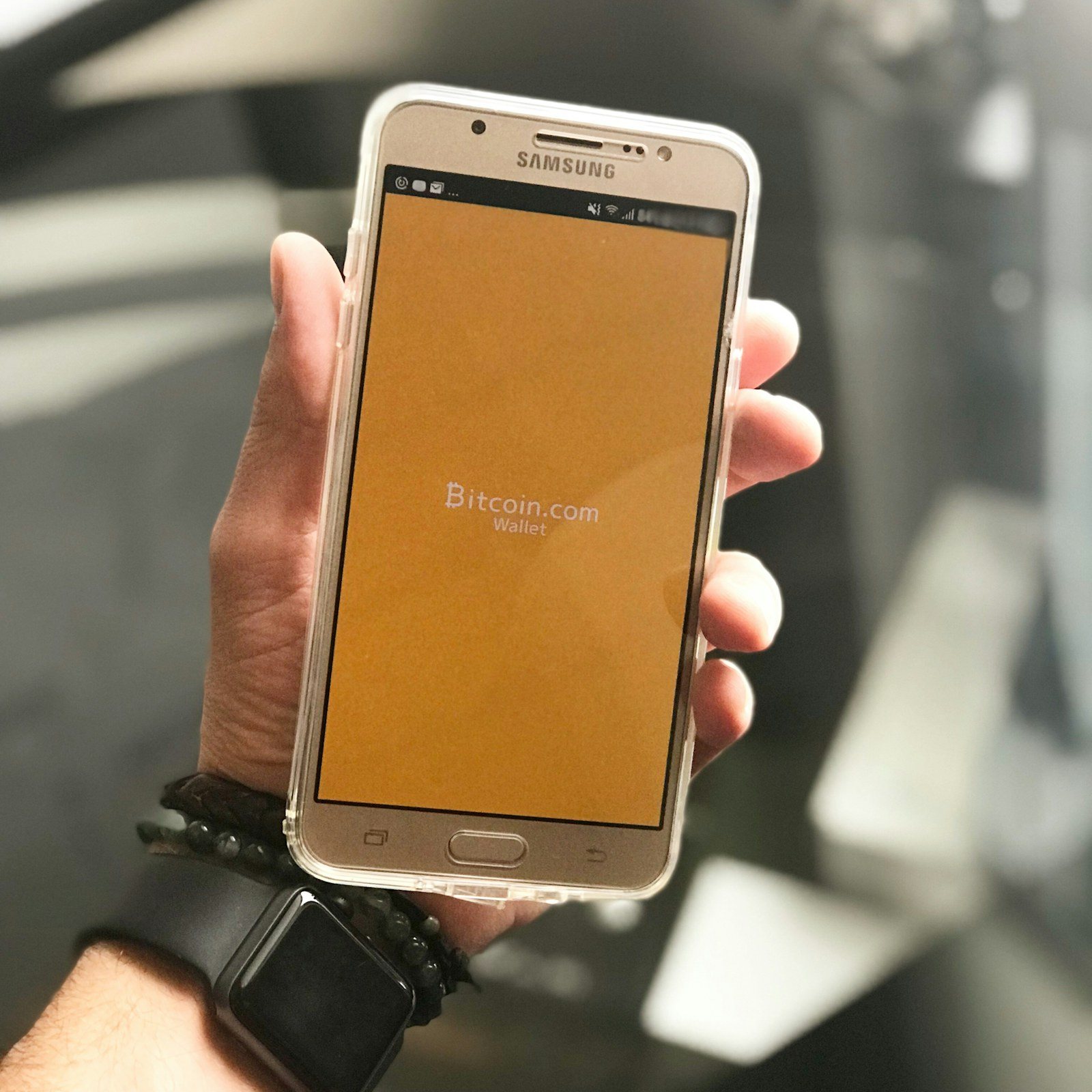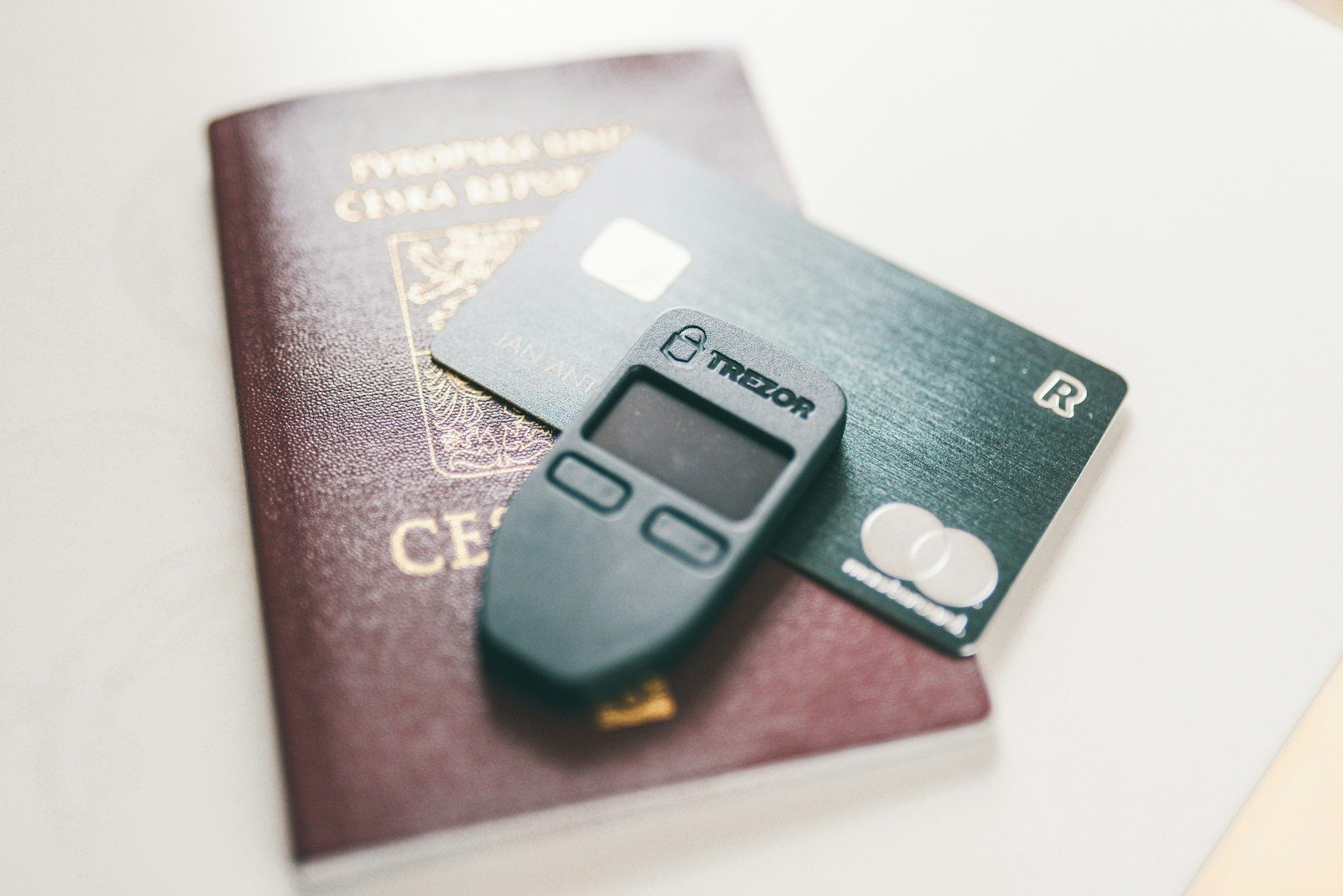
A crypto seed phrase backup is a recovery method, not a customer-service password. In a self-custody wallet, the recovery phrase or associated private key can control access to the assets recorded on a blockchain. Anyone who obtains it may be able to move those assets, and a lost phrase may mean there is no central provider able to restore access. The first safety rule is simple: do not type a recovery phrase into a website, share it with support staff or send it in a message.
Understand what the wallet stores
A wallet interface helps you view balances and sign transactions. In self-custody, the critical secret is the key material that authorises transactions; the phrase is a human-readable backup used by many wallet designs to recreate keys. A hosted exchange account works differently: the provider controls the wallet infrastructure and account recovery follows its own security process. Check which model you are using before choosing a backup method. A recovery phrase for one wallet should not be assumed to restore every account or device.
Write the backup carefully and keep it offline
If the wallet generates a recovery phrase, record it exactly as shown, in the correct order and spelling. A private, offline copy avoids putting the secret into screenshots, cloud notes, email, chat or ordinary documents that may sync across devices. Store the backup where unauthorised visitors cannot find it and where accidental damage is less likely. Some people consider a durable physical medium, but no material or hiding place removes all risks; theft, fire, water, memory failure and household access need to be considered.
Verify recovery without exposing the secret
Use the wallet’s built-in verification process when setting up the backup. If you test recovery on a replacement device, follow the wallet manufacturer’s official instructions and make sure you are using the genuine application. A search advertisement, unsolicited message or imitation support page can lead to a fake recovery form. Never let a remote support agent watch you enter the phrase. Legitimate help may guide you through menus, but it does not need the phrase itself.
Plan for loss, damage and inheritance
A backup should be recoverable by you and protected from casual discovery. Think through what happens if a phone breaks, a hardware wallet is lost or you are temporarily unavailable. If another trusted person needs an emergency plan, document how they can locate instructions without placing the secret in a shared cloud account. This is a personal security trade-off rather than a universal recommendation. Avoid making many untracked copies, because every additional copy creates another point that must remain private.
Wallet backup checklist
- Confirm whether the account is hosted or self-custody.
- Record the exact phrase offline and in the wallet’s specified order.
- Keep the phrase away from cameras, cloud storage and ordinary messaging.
- Use only official wallet recovery screens and verify the app source.
- Do not disclose the phrase to any person claiming to provide support.
- Review storage condition and access when your circumstances change.
If a phrase has already been exposed, treat the wallet as potentially compromised. Use a trusted device and official wallet instructions to move assets to a newly created wallet, after checking the risks and network details. Do not follow instructions from a stranger who contacts you first. Crypto transactions are generally difficult or impossible to reverse once confirmed, so a rushed “recovery service” can create another opportunity for theft.
Custody has different risks
Self-custody gives the user direct responsibility for access and recovery. A hosted provider may offer account recovery, but it introduces provider, account and operational risks. Neither model is risk-free, and the right comparison depends on how you use the wallet and what you can secure. UK public guidance explains wallet keys and the role of cryptoasset services; it does not guarantee the safety of any individual wallet or provider.
Do not photograph a written backup for convenience. A cloud photo library, shared family device or automatic backup can quietly create copies that are harder to track than a paper record. If you change your storage plan, remove exposed copies only after confirming that a safe recovery copy remains available.
For more material on custody and exchange operations, read the crypto exchange and liquidity hub and the UK English blog archive. This is security education, not financial advice. Never disclose a private key, password, one-time code or recovery phrase.