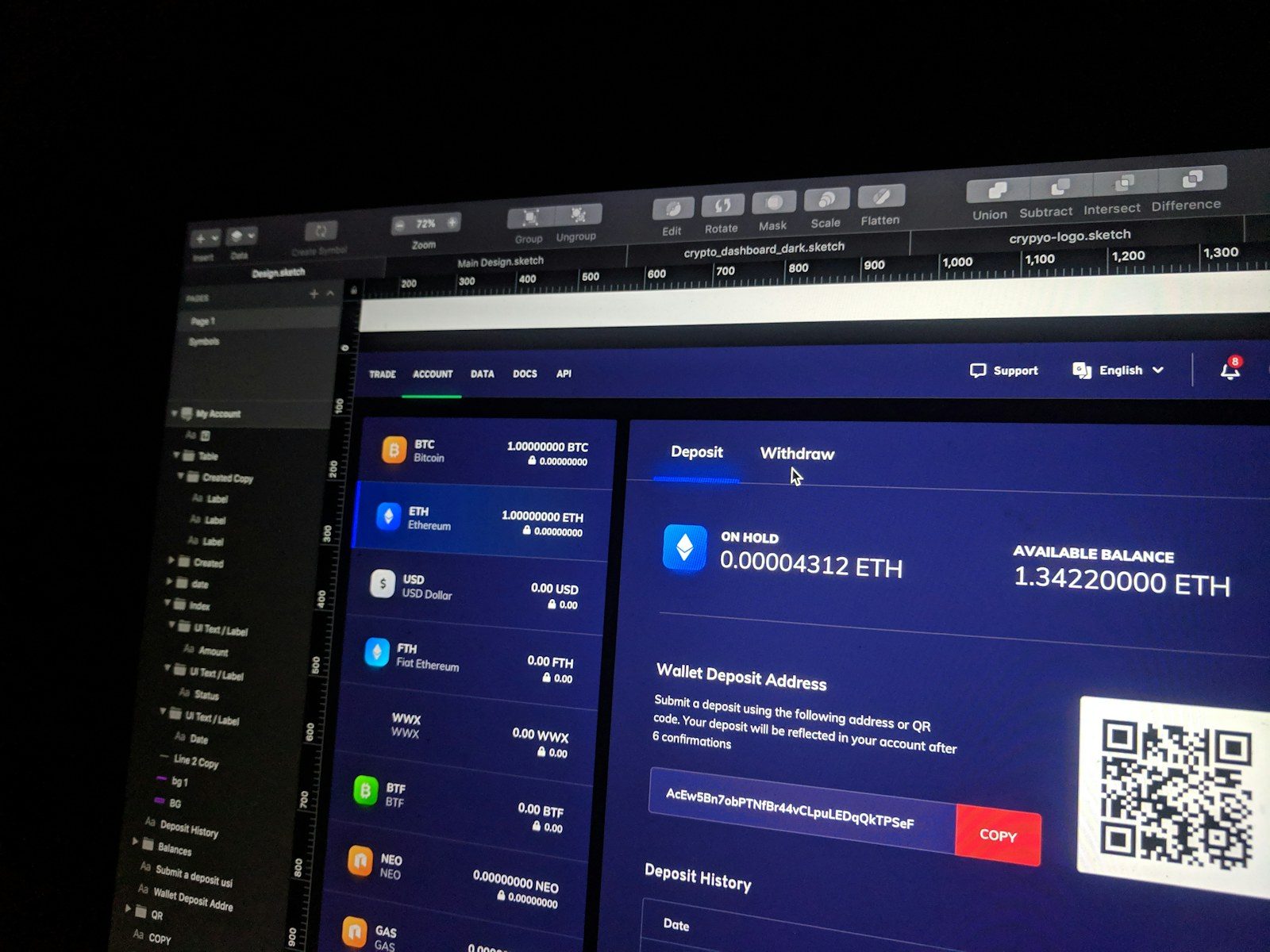
When people search for the USDT to INR P2P rate, they often see several numbers that do not mean the same thing. A peer-to-peer marketplace lists buyers and sellers offering to exchange Tether for Indian rupees, usually under specific payment and order conditions. The highest sell quote or lowest buy quote may apply only to a small amount, a particular transfer method or an account with restrictions. Compare the price you can actually execute for your amount, not only the most attractive figure at the top of a dashboard.
Read both sides of the quote
A buyer of USDT usually pays the seller’s ask in INR; a seller of USDT receives the buyer’s bid. The difference between the two is the spread. If the best available ask is ₹102 and the best bid is ₹100 for the same market and payment method, the displayed gap is ₹2 per USDT before any separate fee. A wider gap means a round trip can cost more. Do not treat a mid-market USD price converted into rupees as the same thing as a P2P execution quote.
Use the same timestamp when comparing platforms. P2P advertisements can change or disappear quickly as traders refresh their orders. A rate dashboard may aggregate several exchanges and refresh at a stated interval, while the underlying offer can be cancelled before you open it. A screenshot from earlier in the day is a historical observation, not a guarantee of the current rate. Record the venue, direction, payment route and time for any comparison you need to revisit.
Check whether your order size fits
Each advertisement can set minimum and maximum limits. A seller quoting a sharp price for ₹1,000 may not accept a ₹50,000 order at that price. Some platforms display several offers that look like one deep pool, even though they come from different counterparties with separate limits. Enter the amount you intend to exchange and inspect the price available for that size before comparing. If the interface does not show the total INR payable or receivable, calculate it from the displayed rate and quantity.
Liquidity matters because the next offer can be much worse once the best-priced ad is filled. A useful check is to compare the first offer with the next few valid offers for the same payment method. The apparent best price is less informative if only a tiny order qualifies. Look at the merchant’s completion history and current availability as additional context, but remember that past activity does not guarantee a safe transaction or future performance.
Include payment and platform costs
UPI, IMPS, bank transfer and other rails can have different availability, limits and timing. A rate posted for one payment method may not apply to another. Some P2P platforms show a zero trading fee while a bank or wallet can still impose its own charges or restrictions. Compare the amount paid and the amount received after any visible fee, and account for possible delays. Do not switch to an off-platform payment method just because a counterparty promises a better rate in chat.
Calculate the net price for the complete order. For a purchase, divide the total rupees paid, including disclosed fees, by the USDT actually released. For a sale, divide the rupees received after fees by the USDT transferred. This makes two platforms easier to compare even when one uses a fee line and another embeds costs in the quote. Keep a record of the order receipt and payment confirmation, without sharing private account details publicly.
Keep escrow and counterparty checks in the flow
Use the marketplace’s own order page and escrow process, and follow its instructions exactly. Check that the account name on the transfer matches the verified counterparty details required by the platform. Never accept a request to pay a third party, move to Telegram or WhatsApp, or mark a payment complete before funds are actually sent. Be cautious of an unusually favourable quote that pressures you to act quickly. A screenshot of a transfer is not proof that money has cleared into your account.
Do not release crypto because someone sends a payment receipt or claims a bank delay. Confirm the funds in your own bank or payment app and use the platform’s dispute process if anything does not match. Avoid making multiple unrelated transfers to satisfy one order unless the platform explicitly supports that process. P2P transactions carry counterparty, account and fraud risks even when the quoted rate looks competitive.
Check service and compliance status
India’s FIU-IND publishes guidance for reporting entities that provide services related to virtual digital assets. Its current AML and CFT guidance is a useful primary source for understanding the compliance context, but it does not validate every marketplace advertisement or remove customer risk. Check the provider’s current legal entity, published terms, grievance route and any relevant registration status using official records. A logo or a search result alone is not enough to establish the status of a platform.
Tax and reporting treatment is separate from the exchange rate. The Income Tax Department’s current e-filing material describes filing mechanisms for virtual digital asset transfers, and forms or procedures can change. Keep transaction records and consult a qualified Indian tax professional for your own situation. A price comparison cannot calculate your tax liability or tell you whether a particular transaction meets every legal requirement.
A simple USDT/INR comparison checklist
Before you compare a USDT to INR P2P rate, fix the amount, trade direction and payment method. Match the quote timestamp, inspect the order limits, include platform and payment fees, and calculate the net INR per USDT. Review the size and availability of nearby ads instead of relying on a headline best rate. Keep the trade on-platform, confirm the recipient or sender name, and wait for funds to clear before releasing crypto.
P2P rates can be volatile and platform-specific; a displayed quote can vanish before execution. USDT is a digital asset, not a bank deposit, and a rupee quote does not remove issuer, platform or counterparty risk. This guide is educational rather than investment, legal or tax advice. If the provider, payment instructions or dispute path are unclear, stop and verify them through official channels before transferring funds.