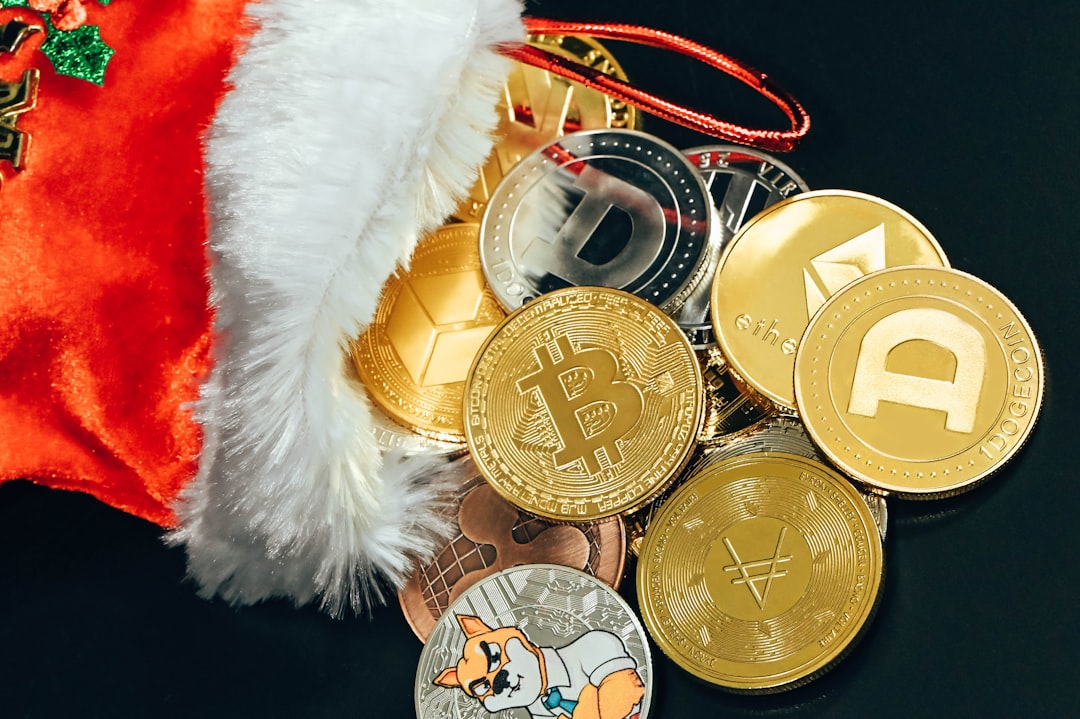
Crypto scam Singapore: how to spot a transfer scam and report it
A crypto scam in Singapore can begin with an investment group, a fake exchange message, a phishing link, or a caller who claims to be from a bank or government agency. A common risk is being persuaded to send cryptocurrency or money yourself, sometimes after seeing a convincing app screen that shows a balance or profit that does not exist. Check the request through a separate official channel before sending funds or sharing account access.
The Singapore Police Force’s 2025 annual brief reported S$182.2 million in cryptocurrency scam losses, around 20% of total scam losses recorded that year. The same brief says authorities recovered more than S$22.8 million in cryptocurrency scam proceeds during 2025. Those figures describe reported cases and police recovery figures, not the probability that an individual user will lose or recover money. They do show why it is useful to keep evidence and report quickly.
Warning signs in a crypto conversation
- Guaranteed or unusually steady returns: No wallet, token or trading account can guarantee a profit. A dashboard showing rising returns may be controlled by the person contacting you.
- A demand to install a new app or share your screen: A stranger should not need remote access, a device-management profile, or your login code to help you invest.
- A request to send crypto to “verify” or unlock an account: Treat release fees, tax payments, account upgrades and recovery charges as unverified until the platform confirms them through its official help centre.
- Impersonation of an exchange, police officer or regulator: Caller ID, profile images and copied logos do not prove identity. End the conversation and contact the organisation using a known website or app.
- Pressure to move fast or keep the transaction secret: Urgency and isolation make it harder to check the request with a bank, family member or official source.
Use a pause-and-check process
Before transferring, verify the recipient address and network through a trusted channel. Compare the address character by character and do not rely on a QR code or wallet name sent in a chat. Search for the organisation in the Monetary Authority of Singapore’s official Financial Institutions Directory if the person claims it is regulated. A directory result is not an endorsement of a product or a guarantee that an investment is safe.
For a suspicious message, call the 24/7 ScamShield Helpline at 1799 or use the official ScamShield tools to check a phone number, message or link. The Singapore Police Force also advises users to enable multi-factor authentication, set transaction limits where available, monitor account activity, and check whether a crypto platform offers a way to lock access after suspected compromise. Never give anyone a one-time passcode, seed phrase, private key or remote access to your device.
If you already sent money or crypto
- Contact your bank or payment provider immediately. Use the number in its official app or on the back of your card. Explain that the transfer may be connected to a scam and ask what steps are available for that payment method.
- Contact the cryptocurrency platform. Use its official app or website, report the transaction and ask whether the account can be secured or a transfer stopped. A blockchain transaction may not be reversible, so do not wait for a promise from an unknown “recovery agent”.
- Make an official police report. If you lost money or were tricked into a transfer, file a police report through the official Singapore Police Force channel. ScamShield reports help authorities identify suspicious messages and links, but they are not a substitute for a police report after a loss.
- Preserve the records. Save the wallet address, transaction hash, exchange order ID, bank or PayNow reference, amount, time, message history, website link, phone number and any support-ticket number. Keep the original files and avoid posting full account details publicly.
- Secure accounts and devices. Change compromised passwords through the official site, revoke unknown sessions, review connected wallet permissions, and scan devices using trusted security tools. If a recovery phrase or private key was exposed, assume that wallet is compromised.
- Tell someone you trust. Scammers may continue contacting a victim through a second persona claiming to recover funds. A second opinion can help identify that follow-up as another attempt to obtain money.
What ScamShield can and cannot do
ScamShield helps people check, block and report suspicious calls, messages and links. Its 1799 helpline is available around the clock. The service can share reports with authorities for review and help identify scam entities, but sending a ScamShield report does not itself create a police report. If money is missing, use the police-report route as well and contact the bank or exchange directly.
Do not pay an upfront fee to a person who promises a guaranteed crypto recovery. Verify any purported police or regulator contact independently. Official agencies do not need your wallet seed phrase or banking password to receive a report. Recovery depends on the facts, the payment rail, timing and law-enforcement or provider action, so no article or platform can promise an outcome.
Where Singapore users can verify information
The Singapore Police Force crypto-transfer advisory outlines its ACT, ADD, CHECK and TELL advice. The government’s ScamShield information page lists the app, reporting tools and helpline. For current scam patterns and figures, use the SPF Annual Scams and Cybercrime Brief.
This is a general safety explainer, not an assessment of a particular wallet, exchange or case. Explore related risk and security explainers in the risk management hub or browse the Singapore English article archive.