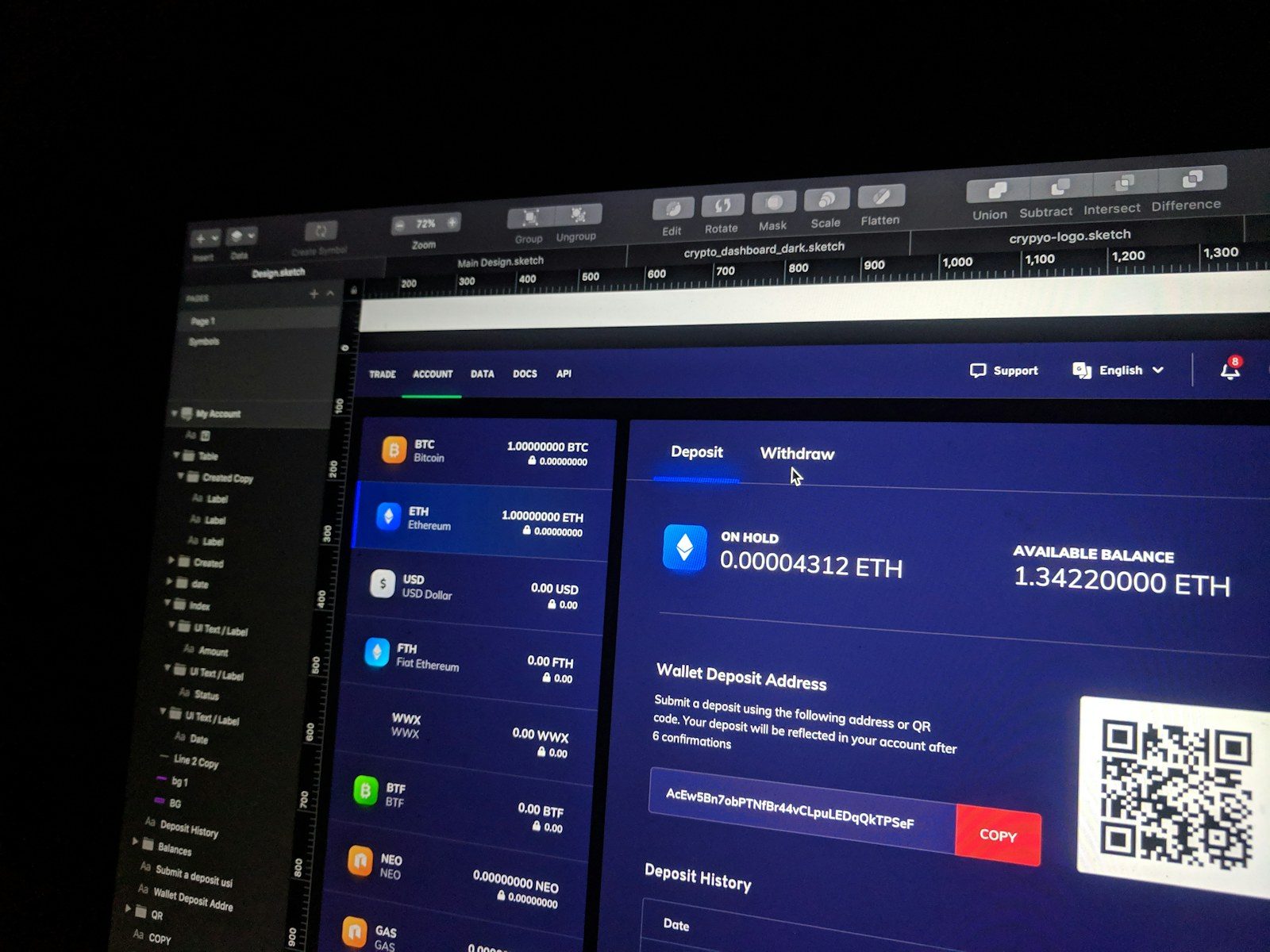
A crypto withdrawal pending message does not identify one universal problem. It can mean an exchange is still reviewing the request internally, a transaction has been broadcast but is waiting for blockchain confirmations, or a receiving platform has not credited a confirmed transfer yet. Singapore users searching “crypto withdrawal status” or “crypto transfer pending” should first identify which stage they are looking at, then verify the transaction through the service’s official history page.
Start with the withdrawal record
Open the withdrawal record in the exchange or wallet you used and note the asset, amount, destination network, recipient address, time, fee and current status. Some services also show a transaction ID or TxID. Keep a screenshot for your own record, but never share a password, one-time code, seed phrase or private key with someone who claims to be support.
A pending label is platform-specific. One provider may use it while checks are still underway; another may use it after submitting a transaction to the network. Read the help page for the actual provider and account type rather than assuming that a status word means the same thing everywhere. The status screen is a starting point, not proof that the funds have left the exchange.
Check whether a transaction ID exists
If there is no TxID, the withdrawal may not yet have been sent to the blockchain. It could still be in the provider’s internal queue, subject to an account review or awaiting a required action. Check the official account inbox for a notice and contact support through the app or a domain you type yourself if the status remains unclear. Do not use a phone number or link from an unsolicited message.
If a TxID is available, open the relevant block explorer independently and confirm the network shown there. Check that the transaction hash, asset, destination address and amount correspond to the withdrawal record. A transaction visible on-chain can still need more confirmations before a receiving service credits it. The required confirmation count varies by asset, network and platform, so a generic countdown from another exchange is not reliable for your transfer.
Separate exchange processing from network delay
Before a transaction is broadcast, an exchange may perform security checks, process withdrawals in a queue or temporarily pause a network for maintenance. Once the transfer is broadcast, congestion, block production and confirmation requirements may affect the time before it reaches the final status. A delay does not by itself prove that funds are lost, but repeated unexplained requests for extra payment should be treated with caution.
The destination platform can add another step. It may see an incoming transaction but wait for its own confirmation threshold or account checks before displaying a balance. Compare the sending service’s status with the receiving service’s deposit history. If the sender marks it complete and the blockchain shows confirmations, contact the receiving platform with the TxID and deposit details rather than sending the transfer again.
Verify network, address and memo
Crypto assets with the same ticker can be available on more than one network. The sending and receiving sides must support the same chain, and the address must match the destination account’s instructions. Some assets or platforms also require a memo, destination tag or reference. A missing or incorrect tag can delay crediting even when the transaction appears confirmed on-chain.
Do not assume an incorrect network or address can be corrected by the exchange. Contact the receiving platform through its official help centre and provide the asset, network, destination, amount, time and TxID. Never post the full destination or account details in a public discussion. Whether a platform can help depends on the asset, network, custody setup and its current recovery process.
What not to do while it is pending
- Do not send a second transfer immediately: first find out whether the first one was broadcast or is still in the provider’s queue.
- Do not pay an unexpected release fee: verify any fee inside the official service interface and its published terms.
- Do not trust a direct-message recovery agent: support staff should not need your seed phrase, private key or remote access.
- Do not switch networks based on a guess: confirm compatibility on both the sending and receiving services.
- Do not edit transaction evidence: save the original record and timestamps.
Repeatedly submitting withdrawals can create more records and confusion. If the request is still marked pending and no transaction hash exists, use the platform’s support process. If the hash exists, include it in the case so the provider can separate an internal queue issue from an on-chain transfer.
A Singapore-specific verification routine
Singapore users can verify a provider’s regulatory status separately from troubleshooting a transaction. The Monetary Authority of Singapore’s Financial Institutions Directory lists firms and activities, including digital payment token services. A directory entry is not an endorsement, does not guarantee that a withdrawal will complete by a particular time, and does not replace reading the provider’s current transfer terms. Use the exact legal entity name and the official MAS directory rather than a badge copied onto a third-party page.
For an OKX account, its Singapore help guide for an unreceived withdrawal distinguishes stages such as processing, network confirmation and receiving-platform credit. Its withdrawal history guide explains where transaction details may appear. These pages describe that provider’s interface; other exchanges can use different labels and workflows.
When to contact support
Contact the sending platform if the request has no TxID and remains pending beyond the provider’s own stated processing window, or if its status changes to failed or on hold. Contact the receiving platform when the transaction is confirmed on the correct network but the deposit is still missing after its published confirmation requirement. Provide the transaction ID, asset, amount, network and time; do not include authentication secrets.
Keep a short timeline of what you checked and which official channel replied. If you suspect account compromise, secure your email and exchange access from a trusted device, revoke unknown sessions and enable multi-factor authentication. If someone is pressuring you to move funds to a “safe” wallet, end the conversation and verify independently. Crypto transfers and platform actions may not be reversible, so avoid acting on instructions from an unverified contact.
More transfer and risk explainers are available in the Singapore English CryptoSigy archive and the risk management hub. This guide describes general troubleshooting steps and cannot promise a recovery or processing time for an individual account.