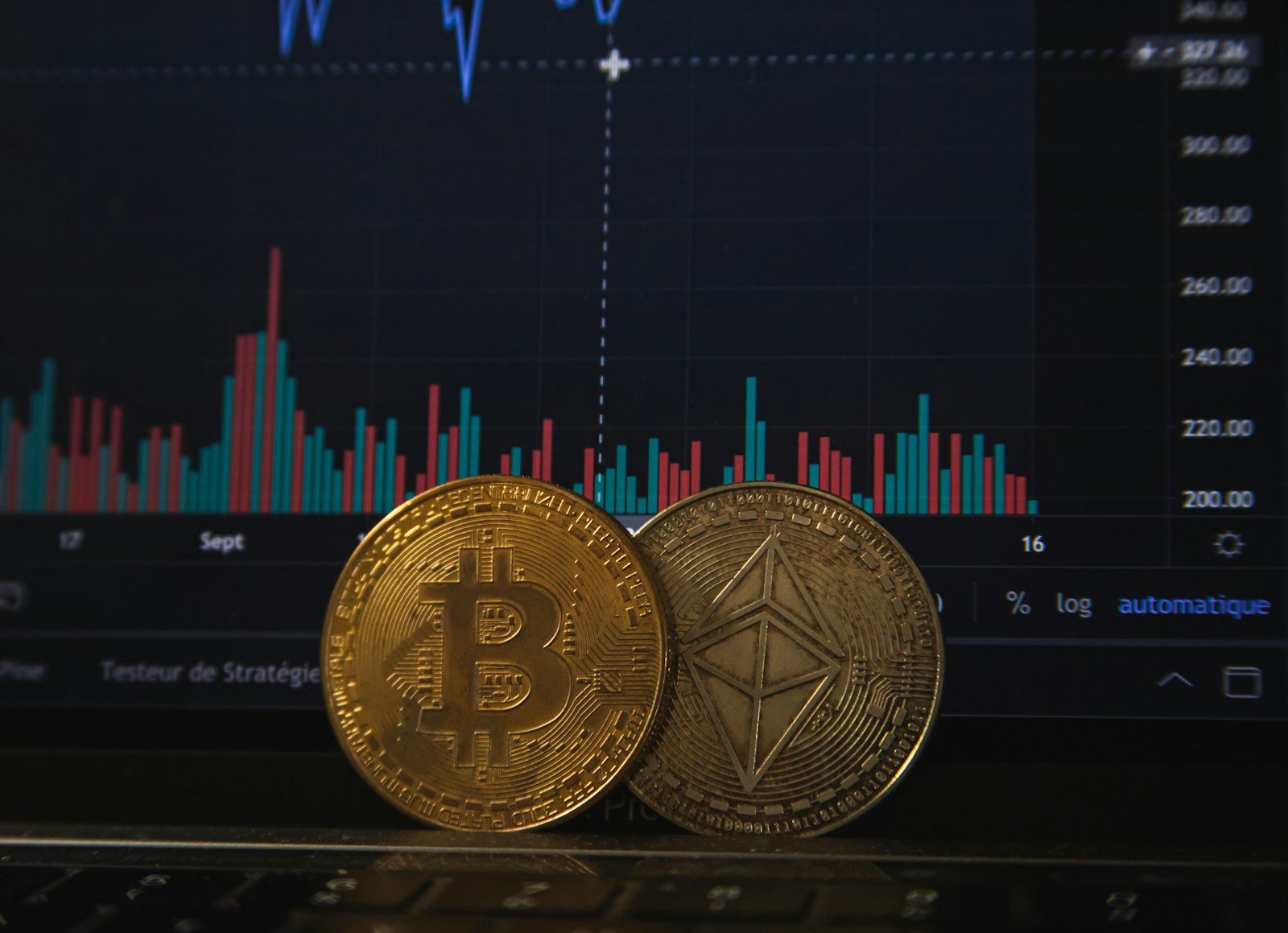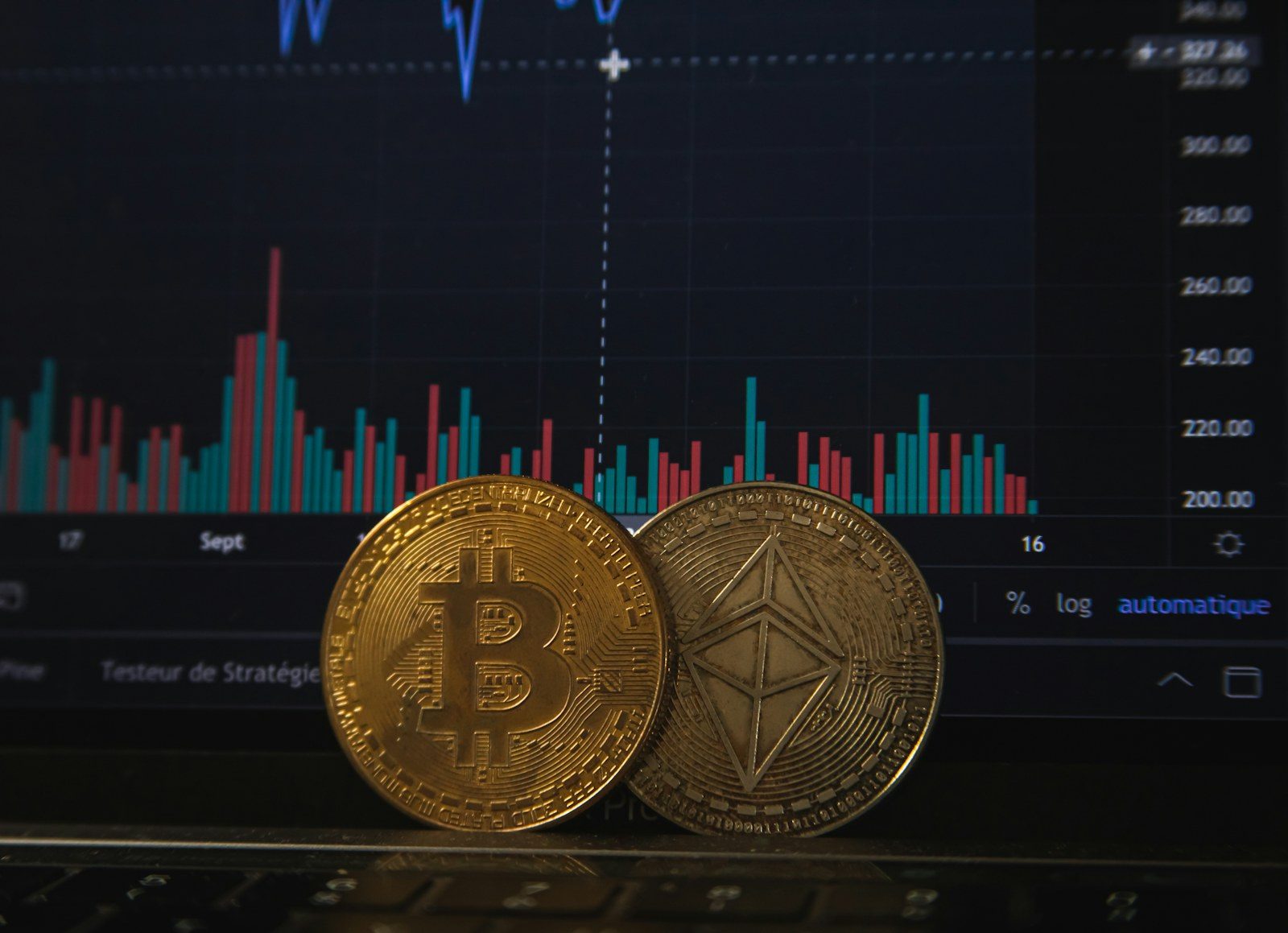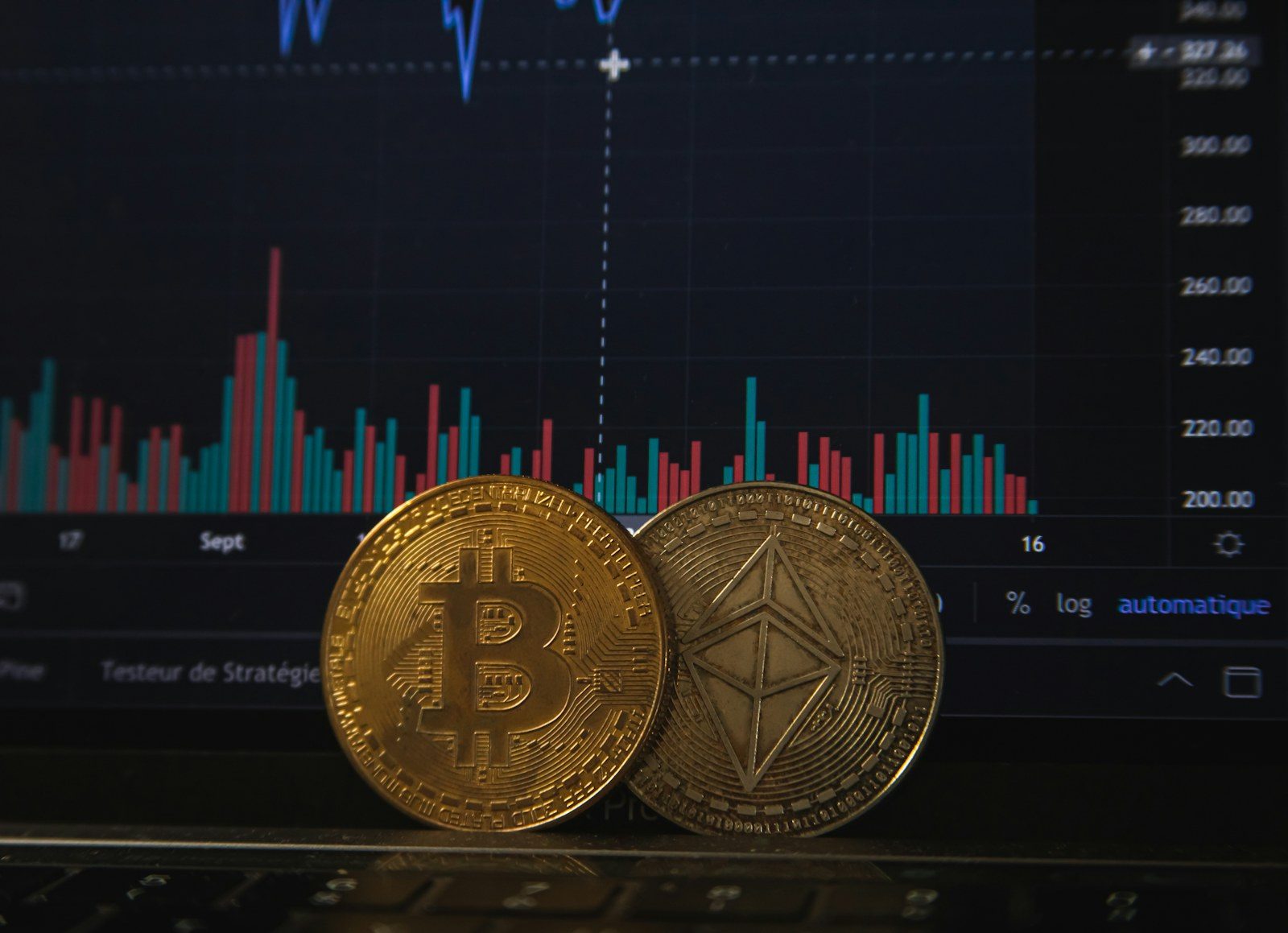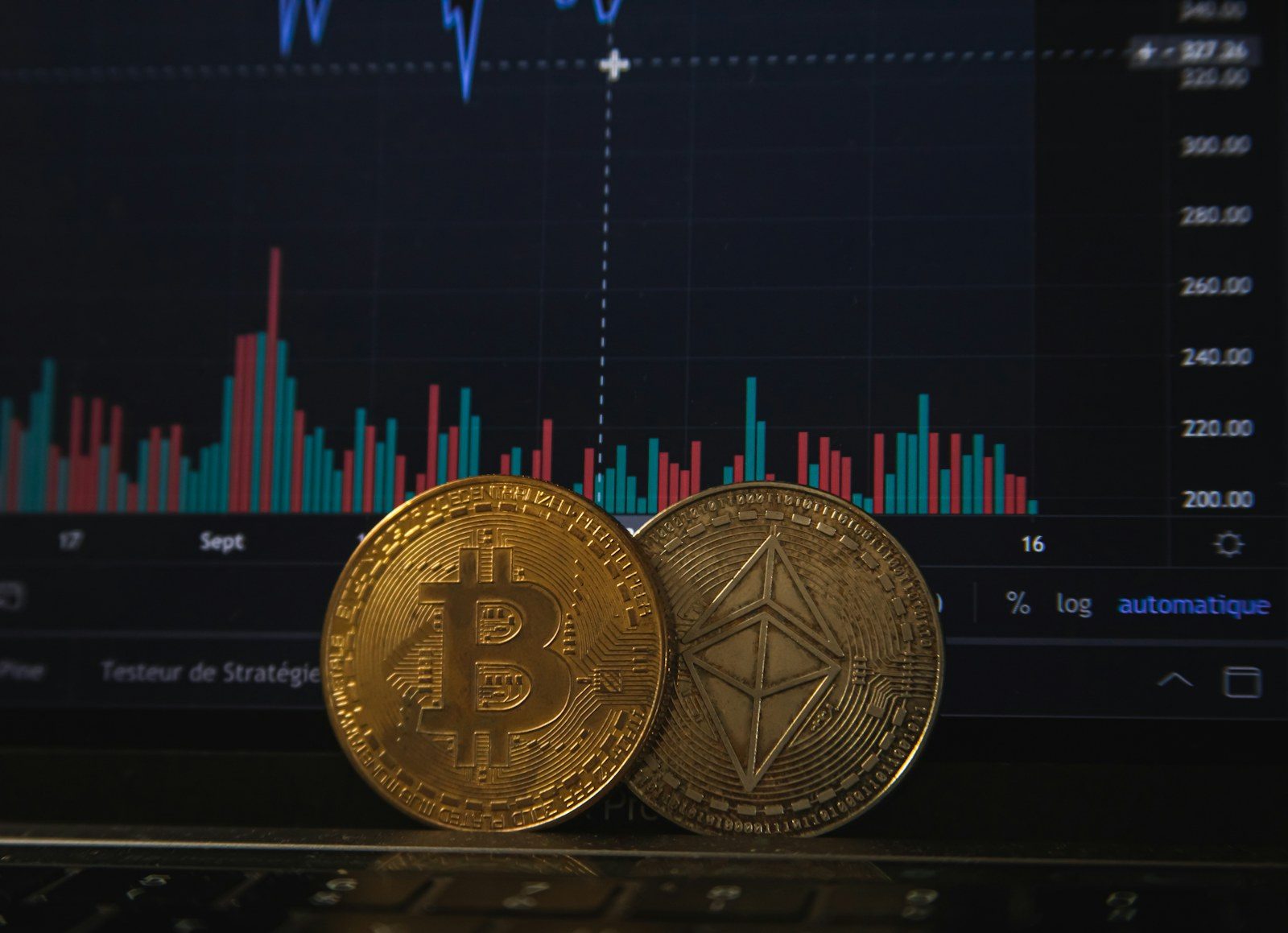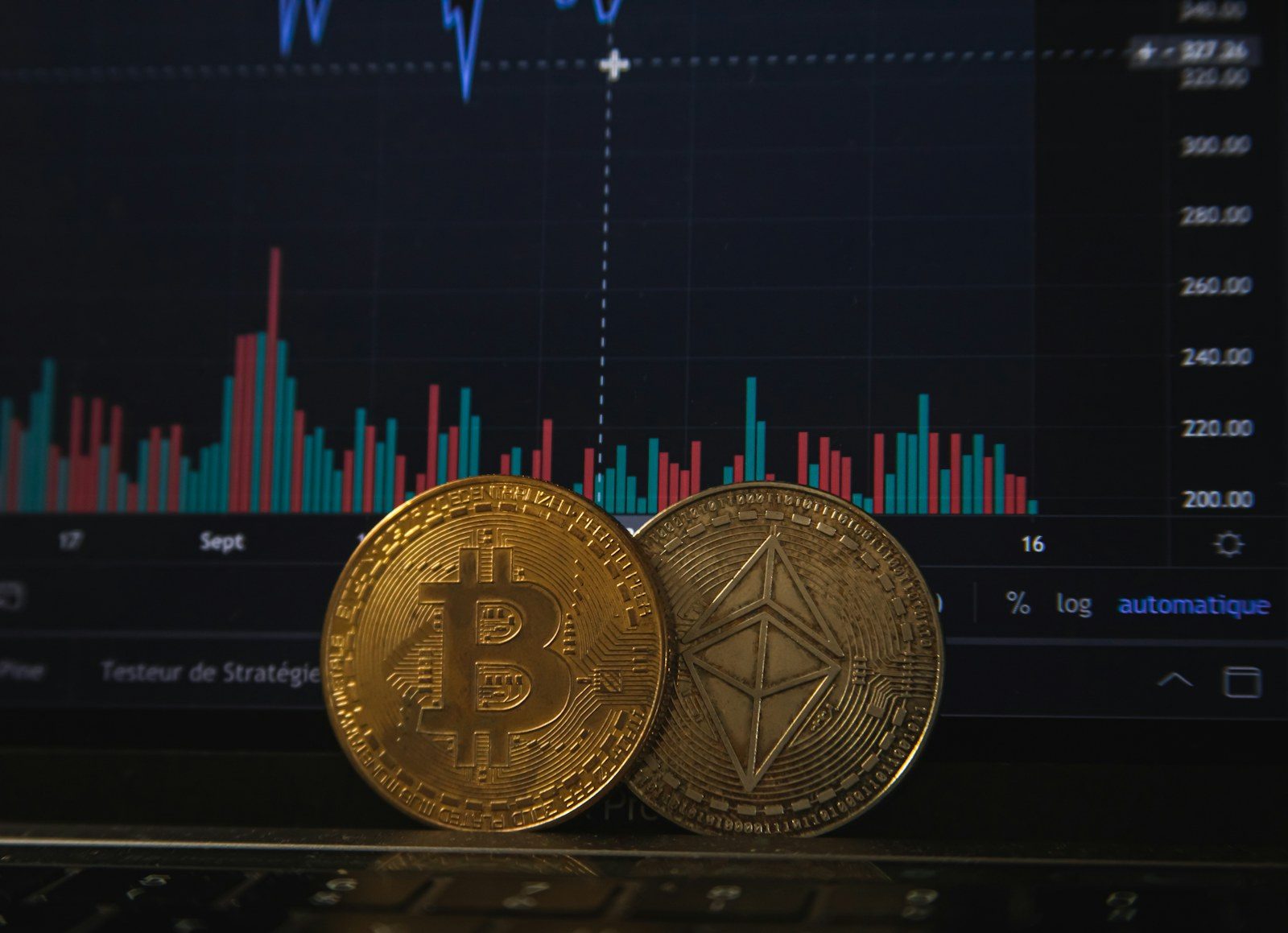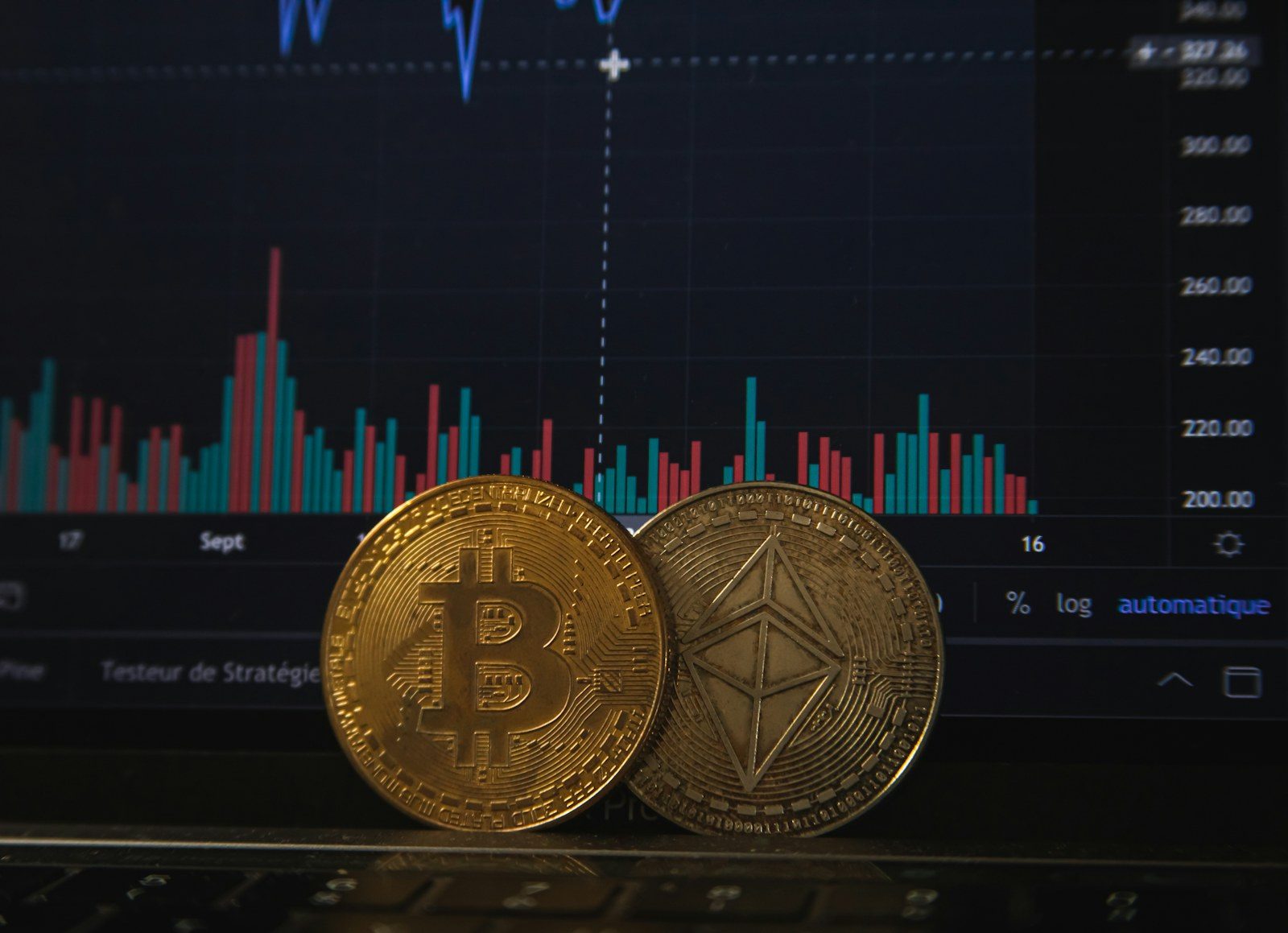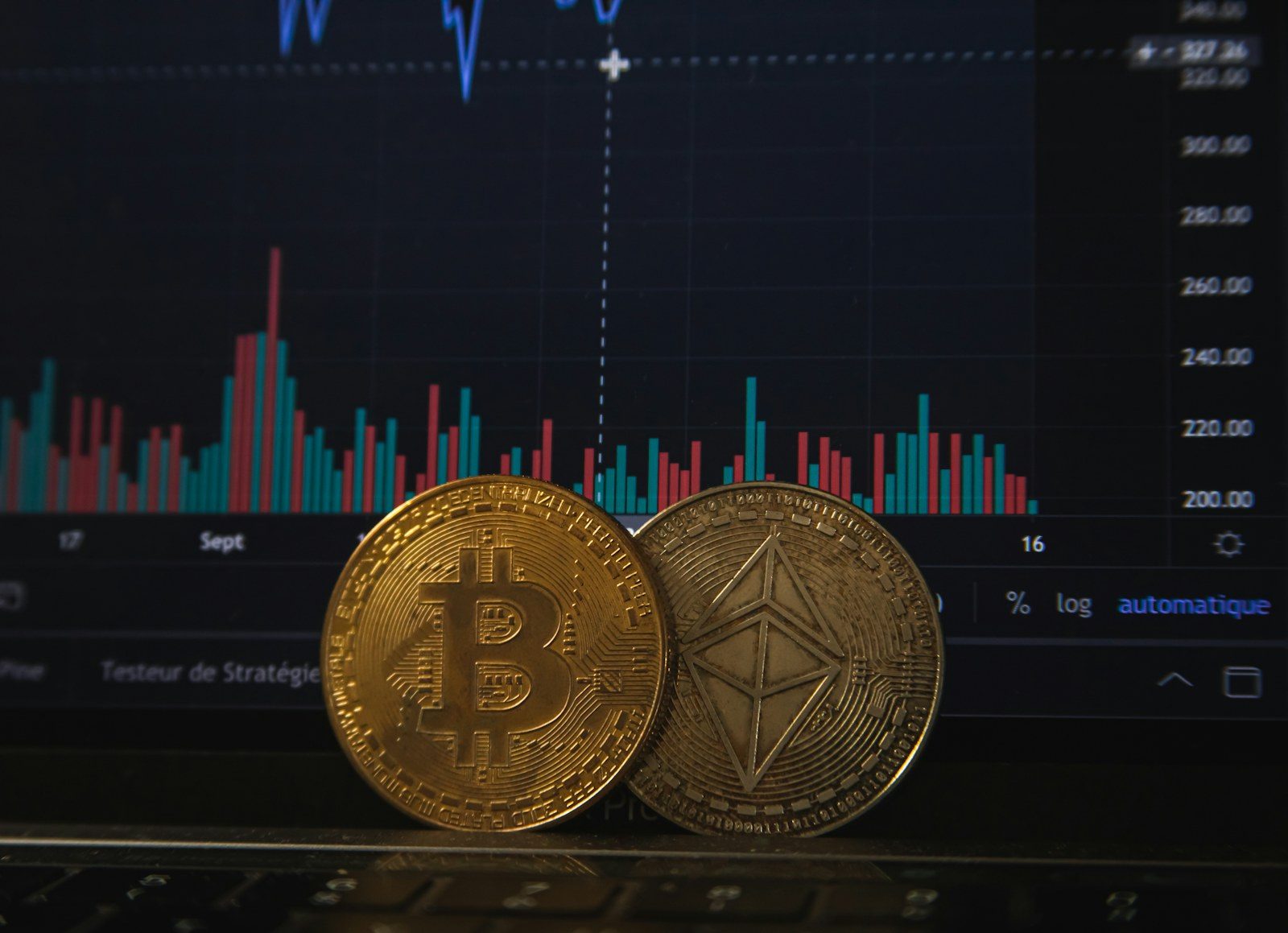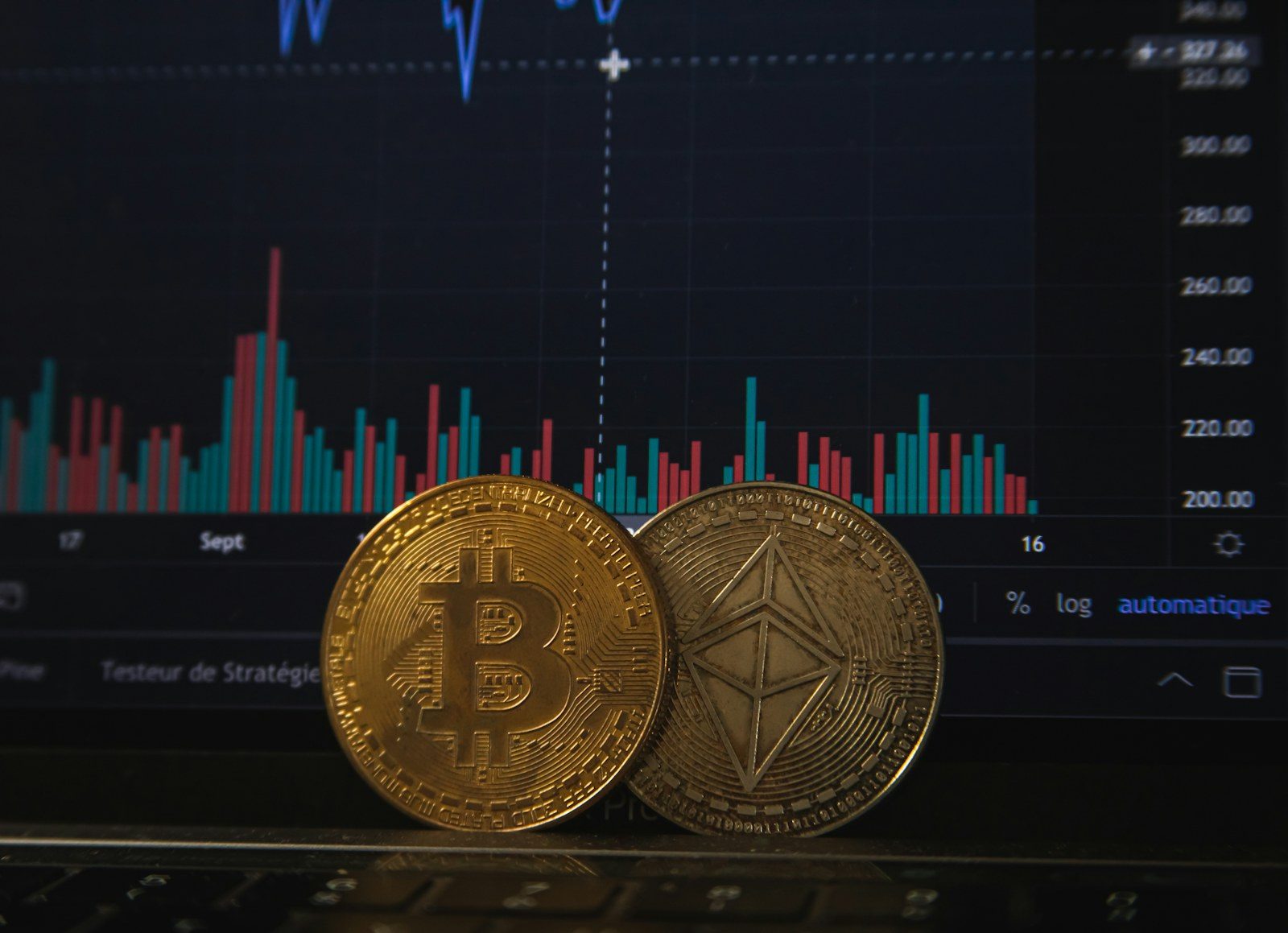
Perpetual Liquidation Buffer Calculation With Fees
A liquidation buffer should include fees, funding and mark-price methodology rather than only distance from last price.
Read More →Archive page 4 of 108 for crypto signals workflows, trading execution guides, and risk-first playbooks.
A liquidation buffer should include fees, funding and mark-price methodology rather than only distance from last price.
Read More →
A withdrawal hold changes execution timing and must be reconciled with account security and venue status information.
Read More →
A macro headline must be separated from the venue, liquidity and risk conditions of an executable trade.
Read More →
A fee estimate is unreliable if the account tier, product and settlement currency differ from the displayed example.
Read More →
Unlock size matters only after recipient class and actual transferability are confirmed.
Read More →
Maintenance can leave client and venue order state out of sync until reconciliation is complete.
Read More →
A reduce-only control should be verified at the venue rather than assumed from a client-side label.
Read More →
The ticker alone is not enough to confirm the contract and network accepted by a venue.
Read More →
Cross and isolated margin create different loss paths and should be confirmed before an order is sent.
Read More →
A stablecoin conversion needs a spread and depth check when the reference price is moving.
Read More →
Funding exposure depends on direction, rate source and the next payment timestamp.
Read More →
A correct asset and network can still fail to credit when a required memo or tag is missing.
Read More →