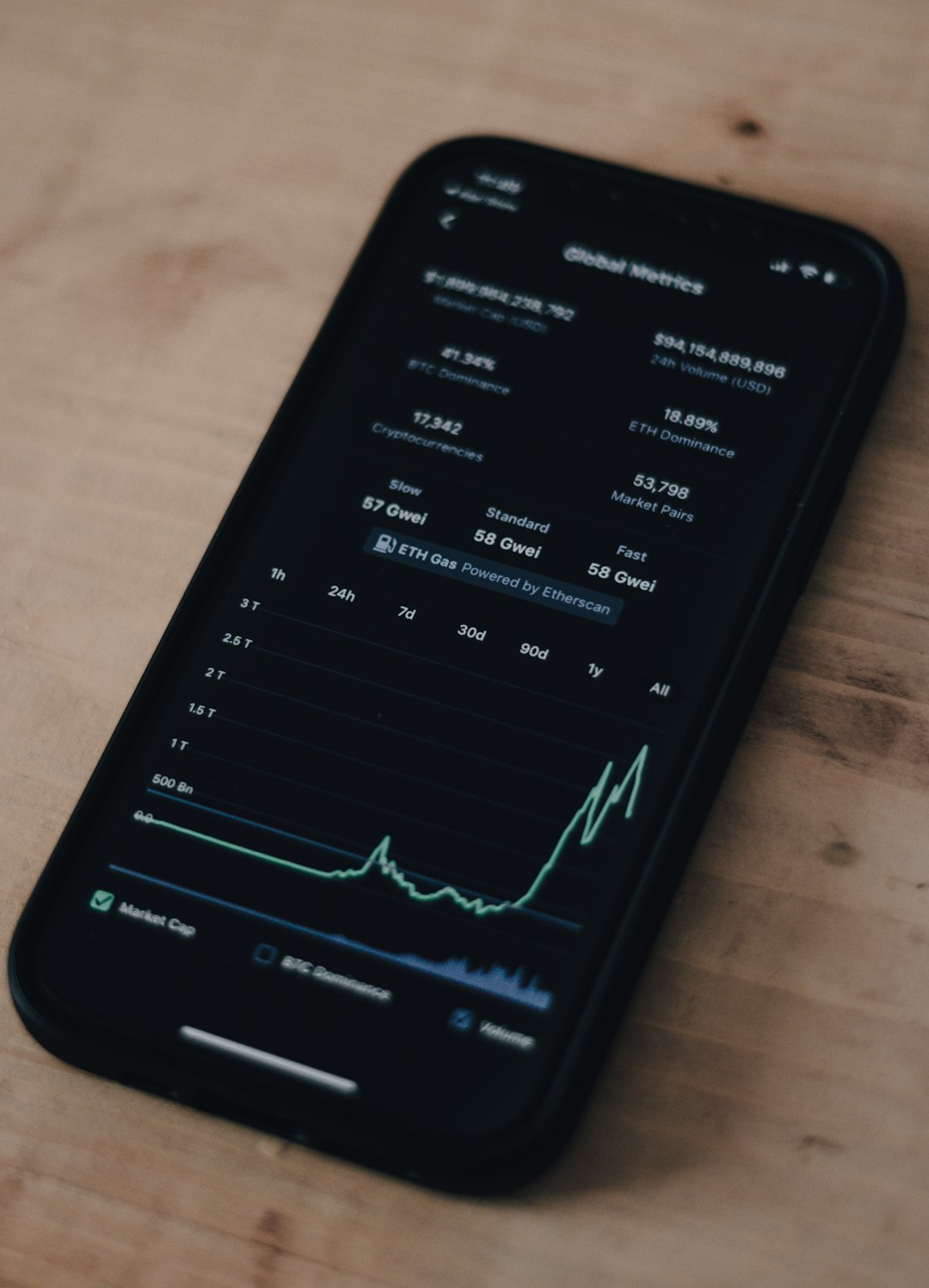
KuCoin's April 22 tick-size update puts NATIX-USDT, GWEI-USDT, DIN-USDT and SUT-USDT into CryptoSigy's exchange-execution watchlist. This is not a token narrative story; it is a liquidity and order-entry story.
Tick-size changes can alter how traders place limits, read spread quality and keep API strategies aligned with the live exchange rule set.
What Happened
KuCoin announced that it would adjust the tick size for selected spot trading pairs at 02:00 UTC on April 22, 2026. The affected list includes NATIX-USDT, GWEI-USDT, DIN-USDT and SUT-USDT, with changes to price or quantity decimal precision depending on the pair.
The notice says existing orders will not be canceled because of the adjustment. It also says API users should use the exchange-info endpoint for the latest tick size, and that older tick sizes can no longer be used after the change.
Why It Matters
CryptoSigy's owner angle is execution, liquidity and risk. A tick-size adjustment can change the visible order book, the minimum practical improvement between bids and offers, and whether bot orders are accepted without errors.
For thin or fast-moving pairs, that matters more than the headline suggests. A strategy that assumes the old decimal precision may place invalid orders, round prices differently, or misread spread quality after the venue updates its rules.
The practical check is especially important for traders who copy symbols across manual screens, bots and alert templates. If one layer updates precision while another keeps the old tick size, execution can fail quietly or create prices that no longer match the intended signal.
What To Watch Next
Watch live spreads, depth around the best bid and ask, and whether API or bot orders are being rounded as expected. Traders using automated execution should refresh symbol metadata before trusting order placement.
The clean CryptoSigy response is to treat NATIX, GWEI, DIN and SUT as execution-check pairs until the post-update order book has settled.
Continue this cluster
The April 22 exchange execution board tracks exchange notices that change tick size, fee, collateral, route quality or liquidity assumptions behind crypto signals.