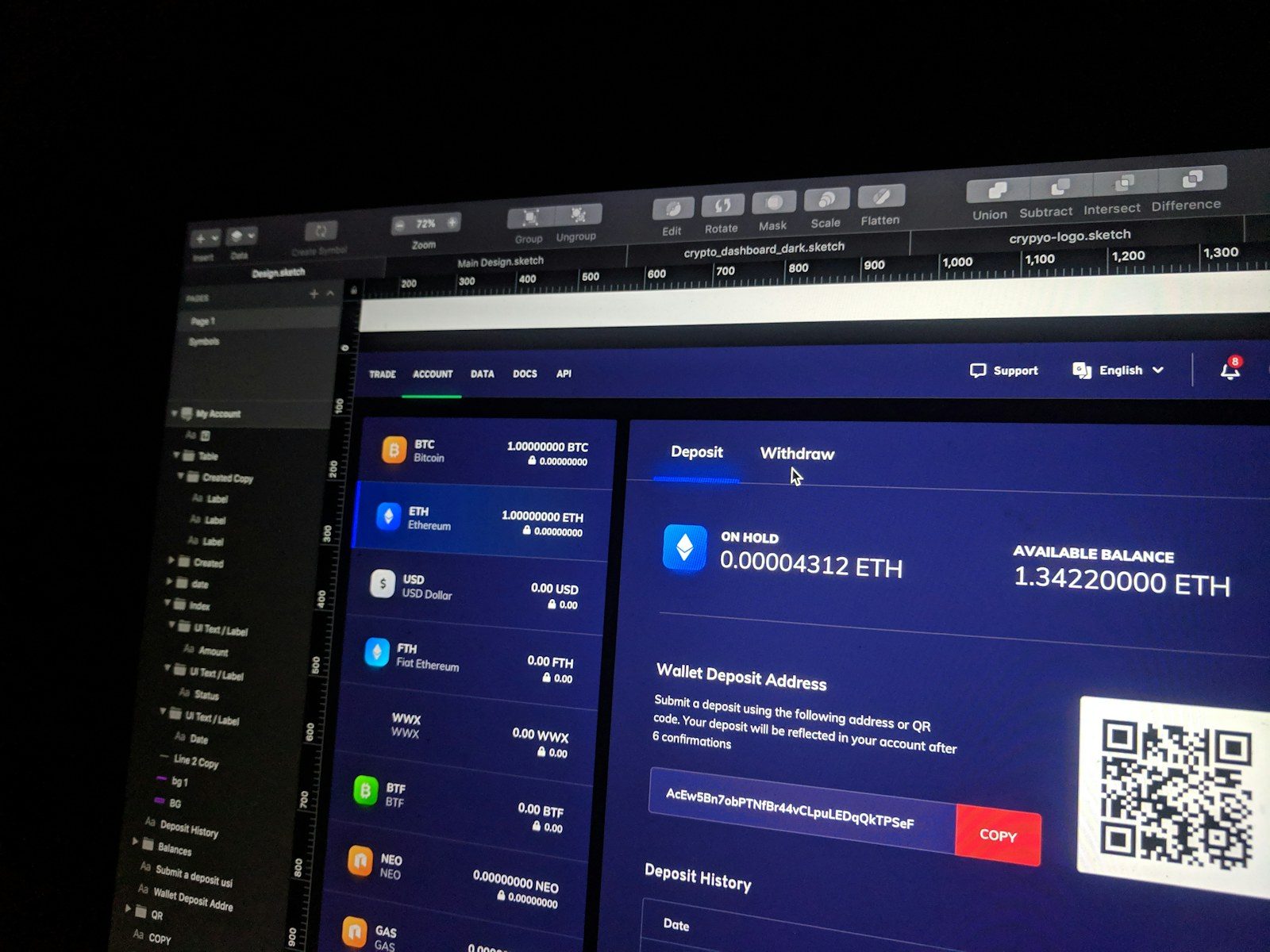
Searching for a crypto wallet in India often brings up exchange accounts, mobile apps and hardware devices under the same label. They do not all give the user the same control. A custodial platform manages the private keys for assets held in its account system; a self-custody wallet gives the user the credentials that authorise blockchain transactions. Before moving crypto, identify who controls the keys and which network the receiving address supports.
Indian wallet guides discuss software and hardware options, seed phrases and transferring assets from a platform. The main operational risk is often a mismatch: choosing the wrong network, copying the wrong address or trusting an unofficial app. A wallet can help secure access, but it cannot automatically reverse a completed on-chain transfer.
Wallets manage keys; the blockchain records assets
A crypto wallet is a tool for viewing an address and signing transactions. The asset balance is recorded by the relevant blockchain, not stored as coins inside a phone or hardware device. A wallet’s private key proves that a transaction was authorised. The public address can be shared to receive assets, but the private key and recovery phrase must remain secret.
When crypto stays on an exchange, the provider controls keys and processes withdrawals under its account and verification rules. That can be convenient for trading and converting between INR and crypto, but account access depends on the platform. A self-custody wallet gives direct control but removes the usual password-reset route. If the recovery phrase is lost, the user may be unable to restore access; if it is exposed, another person may move the assets.
Some exchange apps also offer a separate wallet product. Do not infer custody from the logo or app name. Check the product page and learn whether the provider can sign transactions or whether you hold the recovery phrase. Keep a record of the exact wallet address and network for any transfer.
Match the network at both ends
A token can be available on more than one blockchain. An exchange withdrawal form may list several networks, while a wallet supports only some of them. Select the network that the receiving address is designed to use. The asset name alone is not enough to confirm compatibility. If the network selection is wrong, funds may not appear, and recovery can require technical work that is not always possible.
Before sending, compare the network name and address format on the exchange with the receiving wallet’s deposit instructions. Check that the wallet can display the asset, and confirm whether a memo or tag is required. A cheaper network is not safer if the receiving platform cannot credit it. Fees and supported networks can change, so check current instructions at the time of the transfer rather than relying on an old screenshot.
For a new wallet or address, send a small test amount first if the provider’s minimums and fees allow it. Wait for confirmation on the correct network and make sure the balance appears where expected. Save the transaction ID and date. A test is useful for checking a route, but it does not guarantee that a later transfer will use the same network or address.
Protect the recovery phrase
A self-custody wallet may generate a recovery phrase, often a list of words that can restore access. Treat it as a master key. Anyone who gets it may be able to control the wallet, and a legitimate support agent should not ask you to share it. Write it down offline and store it where it cannot be casually photographed, copied or damaged. Avoid cloud notes, messaging apps, email and images in a phone gallery.
Use only the wallet’s official website or app store listing. A search result or social-media link can lead to an imitation. Bookmark a verified site if you use a browser wallet, and check the domain before entering credentials. Do not enter recovery words into a page that claims to synchronise, verify, unlock or restore a wallet unless you have independently confirmed that it is the genuine recovery process for your own application.
A hardware wallet can keep keys away from a phone or computer, but the device is not a substitute for careful signing. Read the address and transaction details on the device screen. If the destination or permission is unfamiliar, stop and investigate. A malware-infected computer may prepare a transaction that looks different from the one you intended.
Moving between INR platforms and wallets
If you use an exchange or other platform to buy crypto with INR, treat the purchase and the withdrawal as separate steps. Check the platform’s current payment methods, minimum withdrawal, fee, identity requirements and transfer processing time. These details can vary by service and may change. Do not assume an instant bank or UPI transfer means an on-chain withdrawal will also be instant.
Before making the transfer, confirm the asset ticker, chain, network fee, address and any required tag. Compare the first and last characters after copying, and use a trusted address book only if you know how the entry was verified. Clipboard malware can replace an address without changing the contact label. For a high-value transfer, verify the full address through a trusted method rather than relying on a partial visual check.
Choose a setup you can maintain
A software wallet can be convenient for frequent access, while a hardware wallet adds a separate signing device. The difference is not a simple “safe” or “unsafe” label. Software wallets need a protected phone or computer and careful app hygiene. Hardware wallets require a genuine device, safe backup and attention to what is displayed before signing. Both depend on the user’s recovery process.
Some users keep a small active balance in one wallet and store other assets separately. That can reduce routine exposure, but it also creates more recovery phrases and destinations to manage. Start with a setup you can explain and restore. If you cannot identify which phrase belongs to which wallet without exposing it, improve the backup process before sending more funds.
India crypto-wallet transfer checklist
- Is this an exchange account or a self-custody wallet?
- Does the receiving wallet support the selected asset and network?
- Are the address, memo/tag and fee correct for this route?
- Is the recovery phrase offline, private and recoverable?
- Can you verify a small test send before a larger transfer?
Wallet choice starts with custody and the transfer route, not with a “best wallet” list. Explore more in the CryptoSigy risk hub and the India-focused blog. For the distinction between platform custody and a wallet you control, see the India exchange and self-custody guide; for wallet mechanics, use Ethereum.org’s wallet overview.
Self-custody means taking responsibility for keys and transaction details. Never share recovery words and always verify the network before sending.